Mallorca is one of Europe’s most important leisure destinations and one of the most concentrated hotel markets in the Mediterranean.
Every year millions of tourists arrive to stay in resorts, boutique hotels, and luxury properties across the island.
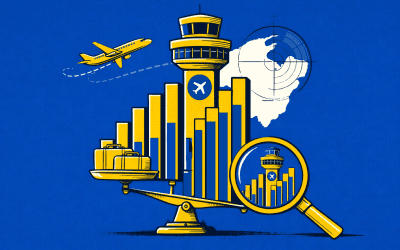
The scale of tourism is enormous: Mallorca recorded nearly 196.9 million overnight stays in 2024, while Palma de Mallorca Airport handled about 33.3 million passengers, the highest number ever recorded.
Key Mallorca Hotel Stats
- Mallorca attracts more than 13 million visitors a year, making it one of the most visited island destinations in Europe.
- Travelers generate roughly 50 million overnight stays annually, keeping hotels and resorts filled throughout the year.
- The island offers around 300000 tourist beds, giving Mallorca one of the largest hotel capacities in the Mediterranean.
- Hotels run at an average occupancy rate above 80 percent, with many properties fully booked during summer.
- In peak season some resort areas see hotel occupancy climb above 85 percent, especially in Palma and Calvià.
- Average hotel prices have climbed to about €140 per night, reflecting a steady shift toward higher value tourism.
- Tourism spending on the island exceeds €16 billion per year, making hospitality the backbone of Mallorca’s economy.
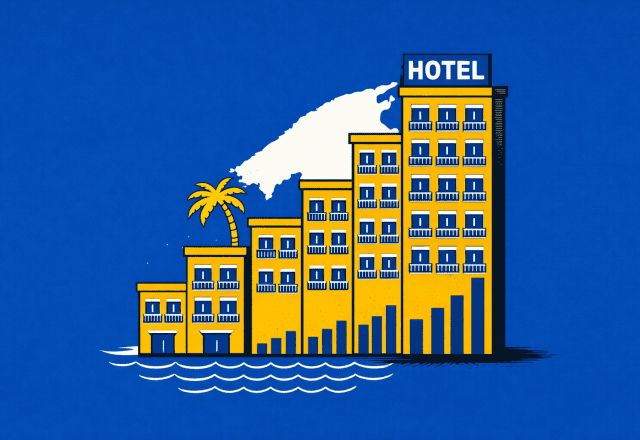
- Mallorca has upgraded its accommodation market rapidly with four and five star hotels growing by nearly 90 percent since 2015.
- Tourism dominates the job market with more than half of local employment linked to hospitality and travel.
- Mallorca records one of the highest numbers of international tourist nights in Europe, placing it among the EU’s top tourism regions.
How Big Is the Mallorca Hotel Industry?
Tourism dominates Mallorca’s economy.
- Mallorca received over 13.5 million tourists in 2025, continuing steady growth from earlier years.
- In 2023 the island hosted around 12.5 million visitors, already exceeding pre-pandemic levels.
- The island generated €16.2 billion in tourism spending in 2024, highlighting how central hospitality is to the regional economy.
Tourism is so dominant that it accounts for more than 55% of Social Security employment affiliations on the island, reflecting the enormous employment footprint of hotels, restaurants, and tourism services.
Mallorca’s hotel sector therefore operates not simply as a travel industry but as the backbone of the island’s economy.
How Many Overnight Hotel Stays Occur in Mallorca?
Hotel demand is best measured through overnight stays.
- Mallorca recorded 196.9 million total overnight stays in 2024 across all accommodation types.
- In 2023, the island registered 51.2 million accommodation nights, with 47.2 million coming from international visitors alone.
This makes Mallorca one of the most visited tourism regions in the European Union. In fact, it has the highest number of international tourist overnight stays of any EU region, underscoring its global tourism significance.
Hotels capture the majority of this demand, although vacation rentals and other accommodation types also play a major role.
What Is the Average Hotel Occupancy Rate in Mallorca?
Occupancy levels on the island are among the highest in Europe during peak season.
Key statistics include:
- Peak summer occupancy often exceeds 90%, especially in popular resort areas such as Palma-Calvià.
- In July 2025, hotel occupancy reached around 89%, slightly lower than the 93% peak recorded in July 2024.
- The Balearic Islands regularly record some of Spain’s highest hotel occupancy levels.
Seasonality is pronounced. Winter occupancy may fall below 40–50%, while summer months approach full capacity.
What Are the Average Hotel Prices in Mallorca?
Prices in Mallorca have risen sharply over the last decade.
Recent pricing trends include:
- The average daily rate (ADR) in the Balearic Islands reached about €209 per night in 2024, reflecting strong demand.
- Across Spain’s hotel sector, the average ADR reached around €158 in early 2025, with RevPAR reaching €115.70.
- During peak summer months in resort areas, ADR often rises to €150–€180 per night or higher.
Luxury beachfront resorts and boutique hotels frequently exceed €300 per night in peak season.
What Are the Main Source Markets for Mallorca Hotels?
Mallorca attracts visitors from across Europe and increasingly from long-haul markets.
Key source markets include:
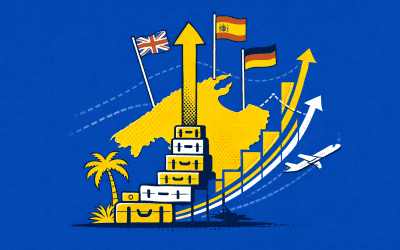
- Germany – historically the largest group of international visitors
- United Kingdom – a major second market
- Spain – domestic tourism
- France, Italy, and Scandinavia – growing regional markets
German tourists alone accounted for more than 4.5 million visitors in 2025, illustrating their continued importance to the island’s hospitality sector.
What Types of Hotels Dominate Mallorca?
Mallorca’s accommodation sector is diverse, ranging from mass tourism resorts to luxury boutique hotels.
Major segments include:
Resort Hotels
Large all-inclusive properties dominate many coastal areas such as:
- Magaluf
- Alcúdia
- Playa de Palma
These hotels are designed for high-volume tourism and package holiday travelers.
Boutique Hotels
Historic townhouses converted into boutique hotels are popular in:
- Palma
- Sóller
- Valldemossa
These properties often focus on premium experiences and smaller guest volumes.
Luxury Resorts
Luxury properties are increasingly common in:
- Port d’Andratx
- Deià
- Capdepera
Many global hotel brands now operate on the island.
How Important Is Seasonality in Mallorca’s Hotel Market?
Seasonality is one of the defining characteristics of the Mallorca hospitality sector.
Typical patterns include:
- High season: June–September
- Shoulder season: April–May and October
- Low season: November–March
Hotels often close during winter months because demand drops significantly outside the peak tourism season.
However, recent trends show rising off-season demand, as hoteliers attempt to extend the tourism calendar with events, sports tourism, and cultural travel.
How Much Do Tourists Spend When Visiting Mallorca?
Tourist spending provides another lens for understanding the hotel sector’s impact.
- The average visitor spent about €1,208 per trip in 2024.
- Daily spending averaged around €187 per tourist.
Much of this spending flows directly into hotels, restaurants, excursions, and transportation services.
What Role Does Palma Airport Play in the Hotel Market?
Airport capacity is one of the main drivers of hotel demand.
Palma de Mallorca Airport:
- Handled 33.3 million passengers in 2024, a record year.
- Is among the busiest airports in Spain.
High flight connectivity with Germany, the UK, and other European markets ensures a steady pipeline of tourists into the island’s accommodation sector.
How Do Hotels Compete With Vacation Rentals in Mallorca?
The rise of platforms such as Airbnb has changed the accommodation landscape.
Hotels now compete with:
- Short-term rental apartments
- Villas and holiday homes
- Rural tourism properties
Despite this competition, hotels remain dominant in several segments, especially:
- Package tourism
- All-inclusive resorts
- Large conference and group travel
However, short-term rentals have contributed to regulatory debates about housing affordability and overtourism.
What Challenges Does the Mallorca Hotel Industry Face?
Despite strong demand, the sector faces several structural challenges.
Overtourism
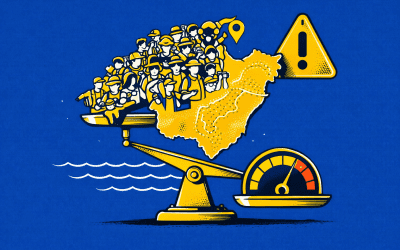
The island’s popularity creates pressure on infrastructure and housing. In 2023 alone, Mallorca received more than 12 million tourists, equivalent to over 1,300 visitors per 100 residents.
Environmental Pressure
High tourist volumes impact water consumption, waste management, and coastal ecosystems.
Housing Market Impact
Local governments have introduced stricter short-term rental rules to protect housing supply for residents.
What Are the Future Trends for Mallorca Hotels?
Several trends are shaping the next decade of Mallorca tourism.
Luxury Tourism Growth
Upscale boutique hotels and premium resorts are expanding rapidly.
Sustainability
Hotels are investing in energy efficiency, waste reduction, and sustainable tourism initiatives.
Off-Season Travel
Tourism boards are promoting winter cycling, hiking, and gastronomy tourism.
Higher-Spending Visitors
Rather than increasing visitor numbers indefinitely, policymakers increasingly focus on quality tourism and higher per-visitor spending.
Conclusion: Why Mallorca Remains One of Europe’s Strongest Hotel Markets
Mallorca’s hotel industry combines enormous scale with global appeal.
Key statistics summarize the market:
- 13.5 million visitors annually
- 196.9 million overnight stays
- €16.2 billion tourism spending
- summer hotel occupancy near 90%
- average nightly hotel rates above €200
Few destinations in Europe combine such strong demand, global brand recognition, and diversified hotel offerings.
Despite ongoing debates about sustainability and overtourism, Mallorca remains one of the most resilient and profitable hotel markets in the Mediterranean.
Sources
- National Statistics Institute of Spain (INE) – Hotel Tourism Short-Term Trends (HOS/HPI/IPHS)
- National Statistics Institute of Spain (INE) – Overnight Stays in Non-Hotel Tourist Accommodation Survey
- Road Genius – Mallorca Tourism Statistics: Visitor Numbers and Trends
- Majorca Daily Bulletin – Mallorca Tourism Outlook and Industry Investment Trends
- Gloval Research – Best Tourist Areas and Hotel Occupancy Rates in Spain
- Dataestur / Spanish Tourism Data Portal – Hotel Overnight Stays in Spain Tourism Report
- Majorca Daily Bulletin – Mallorca Recorded the Most Overnight Stays in Spain
- Mallorca.com – Mallorca Facts & Figures: Tourism and Accommodation Capacity
- Government of the Balearic Islands (IBESTAT) – Tourism Statistics for the Balearic Islands
- Hotelagio Tourism Report – Mallorca Tourism Statistics

Alison is a travel writer for Best Mallorca Hotels with a passion for solo adventures and photography. She seeks out unusual destinations and hidden gems, sharing stories that inspire curiosity and exploration. Her work has been featured in outlets including Forbes, CNN, Travel + Leisure, and Yahoo.