Mallorca has become one of the most cited examples of overtourism in Europe.
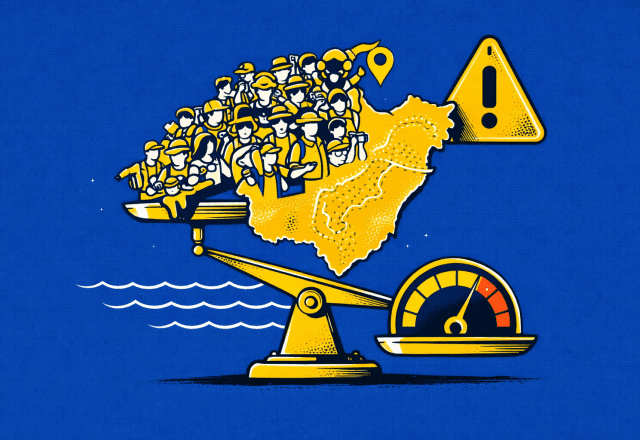
The Mediterranean island welcomes over 13 million visitors annually, far exceeding its resident population of roughly one million.
In peak summer months, tourists can outnumber locals dramatically, placing pressure on housing, infrastructure, and the environment.
At the same time, tourism remains the backbone of the island’s economy.
It generates tens of billions of euros in economic activity, supports thousands of jobs, and attracts global travelers from Europe and beyond.
Key Mallorca Overtourism Stats
- 13.4 million tourists visit Mallorca each year, turning the island into one of the most heavily visited destinations in the Mediterranean.
- Mallorca has fewer than 1 million residents, yet welcomes more than 10 times its population in annual visitors.
- The wider Balearic Islands attract around 18 to 19 million tourists per year, with Mallorca drawing the largest share.
- Palma de Mallorca Airport handled over 33 million passengers in 2024, highlighting the scale of tourism flowing through the island.
- Mallorca sees roughly 15 tourists per resident annually, one of the highest visitor-to-resident ratios in Europe.
- Tourism drives the island’s economy, generating about 45 percent of total economic activity.
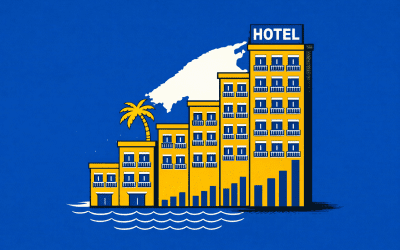
- Accommodation demand is massive, producing over 50 million tourist overnight stays every year.
- Cruise tourism brings around 1.5 million passengers to the Balearic Islands annually, many visiting Mallorca for just a single day.
- During peak season, Mallorca’s population can swell to around 1.5 million people in August, as visitors flood the island.
- Tourism growth has been dramatic. Mallorca welcomed about 400 thousand tourists in 1960, compared with millions every year today.
How Many Tourists Visit Mallorca Each Year?
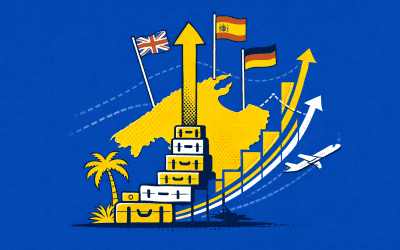
Mallorca’s tourism industry has grown steadily for decades, with only brief interruptions during the pandemic.
Mallorca tourism growth
- 2019: ~11.6 million visitors
- 2022: ~11.4 million visitors
- 2023: ~12.5 million visitors
- 2024: 13.4 million visitors (record high)
Tourism demand has rebounded strongly since COVID-19, surpassing pre-pandemic levels and continuing to climb.
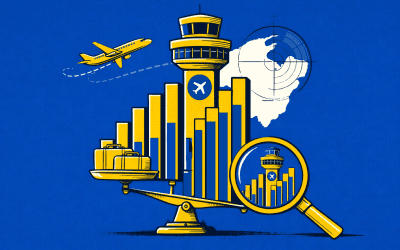
One striking indicator of scale is Palma de Mallorca Airport, which handled over 33 million passengers in recent years—making it one of Europe’s busiest airports for leisure travel.
This means the island experiences enormous seasonal population spikes, particularly between June and September.
How Does Tourism Compare to Mallorca’s Population?
One of the most commonly cited overtourism indicators is the tourist-to-resident ratio.
- Mallorca has about 1 million permanent residents.
- It receives 13+ million visitors per year.
- In 2023, the island experienced 1,327 tourists for every 100 residents.
During peak months, the population of the island can approach 1.5 million people at any given time due to tourists and temporary workers.
This seasonal surge puts intense pressure on infrastructure such as:
- roads and public transportation
- water supply
- waste management
- healthcare services
Why Is Mallorca So Popular With Tourists?
Mallorca’s success as a tourism destination comes from several advantages:
Climate
The island has over 300 days of sunshine annually, making it a reliable summer destination.
Accessibility
Mallorca is well connected with hundreds of direct flights across Europe, especially from the UK and Germany.
Diverse attractions
Visitors come for a combination of:
- Mediterranean beaches
- historic towns such as Palma
- cycling and hiking routes
- nightlife and resorts
- luxury villas and boutique hotels
As a result, Mallorca attracts millions of repeat visitors and remains one of the most visited Mediterranean islands.
The Economic Impact of Tourism on Mallorca
Despite the controversy surrounding overtourism, tourism is the primary economic engine of the island.
Tourism contributes tens of billions of euros annually and represents the largest employment sector on Mallorca.
For example:
- Tourism generated around €20 billion annually for the island’s economy.
- Visitor spending reached €16.2 billion in 2024 alone.
These figures illustrate the difficult balance policymakers face:
reducing tourism could harm the economy, but allowing unlimited growth could degrade the island’s livability.
Housing and Cost-of-Living Pressure
One of the biggest complaints about overtourism on Mallorca is its effect on housing.
Short-term rentals and tourism demand have contributed to:
- rising rents
- property speculation
- conversion of residential housing into tourist accommodation
Residents argue that this transformation has made it difficult for locals—especially younger people—to afford housing.
Protest groups claim that tourism has led to higher housing costs, noise, and declining quality of life.
Short-term rental platforms such as Airbnb have become central to the debate, with some critics blaming them for removing housing from the long-term rental market.
Environmental Impact of Mass Tourism
Overtourism affects the environment in several ways.
Water consumption
Tourism increases demand for freshwater, particularly during dry Mediterranean summers.
Waste production
Millions of visitors generate large volumes of waste that local infrastructure must manage.
Coastal pressure
Heavy beach usage and boat traffic affect coastal ecosystems.
Carbon footprint
Millions of flights to the island contribute to global aviation emissions.
These environmental concerns have prompted calls for sustainable tourism policies and limits on visitor numbers.
Overtourism Protests and Local Opposition
Public protests against overtourism have intensified in recent years.
- Thousands of residents demonstrated in Palma demanding limits on tourism.
- In some demonstrations, around 20,000 protesters marched against mass tourism policies.
- In 2025, about 8,000 people protested in Palma as part of a wider movement across Spain.
Protest slogans such as “Less tourism, more life” reflect concerns about:
- rising housing costs
- crowded public spaces
- the loss of local culture
These protests mirror similar movements in cities such as Barcelona, Venice, and Amsterdam.
Government Policies to Address Overtourism
Authorities in Mallorca and the Balearic Islands have introduced several measures to control tourism growth.
Tourist tax
Visitors must pay a sustainable tourism tax per night.
Short-term rental regulations
Local governments have tightened rules on vacation rentals in residential areas.
Cruise ship limits
Authorities have attempted to cap the number of cruise ships docking in Palma.
Sustainable tourism strategies
Officials are also promoting:
- off-season travel
- rural tourism
- environmental conservation initiatives
The goal is not to eliminate tourism but to spread it more evenly throughout the year.
The Future of Tourism in Mallorca
Tourism forecasts suggest Mallorca will remain a major destination for decades.
However, the island faces a critical challenge: balancing economic dependence on tourism with quality of life for residents.
Possible future trends include:
- stricter regulation of short-term rentals
- limits on cruise tourism
- infrastructure investments
- promoting sustainable tourism models
Many policymakers now believe the solution lies in quality over quantity—fewer visitors who stay longer and spend more.
Final Thoughts
Mallorca’s overtourism dilemma reflects a broader challenge facing popular destinations worldwide.
On one hand, tourism drives enormous economic value. On the other, uncontrolled growth risks damaging the very qualities that attract visitors in the first place.
With 13+ million annual visitors, record airport traffic, and rising resident protests, Mallorca has become one of the most visible examples of the global overtourism debate.
The island’s response in the coming years may serve as a blueprint for how other destinations manage the balance between tourism prosperity and sustainable living.
Sources
- Hotelagio — Mallorca Tourism Statistics: How Many Tourists Visit Mallorca Each Year?
- RoadGenius — Mallorca Tourism Statistics (Visitors, Trends, and Data)
- Majorca Daily Bulletin — Tourist Numbers in the Balearics Topped 19 Million
- Responsible Travel — Overtourism in Mallorca: Causes and Consequences
- Kleber Group — The Impact of Overtourism: The Case of Mallorca
- Eurostat (European Commission) — Tourism Statistics at Regional Level in Europe
- Mabrian Tourism Intelligence — Mallorca’s Tourism Demand and Travel Intent Analysis
- Majorca Daily Bulletin — Mallorca Has One of the Highest Tourist-to-Resident Ratios in the World
- Click Mallorca — Mallorca Tourist Tax Explained
- Mallorca.com — Mallorca Facts and Figures: Tourism Impact
- Kadence International — Overtourism: Mallorca as a Case Study

Alison is a travel writer for Best Mallorca Hotels with a passion for solo adventures and photography. She seeks out unusual destinations and hidden gems, sharing stories that inspire curiosity and exploration. Her work has been featured in outlets including Forbes, CNN, Travel + Leisure, and Yahoo.