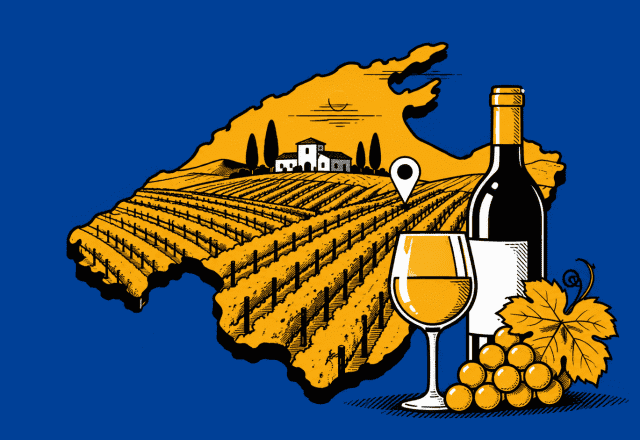
Step away from the beach for a day and you’ll find something far quieter on Mallorca: rows of vines, stone fincas, and some of Spain’s most interesting island wines that almost never leave the Balearics. If you want to taste them, you pretty much have to come here.
Mallorcan producers know that, and they’ve spent the past few decades quietly rebuilding an industry that nearly vanished. In 2026, the result is a compact, easy‑to‑explore wine scene that rewards anyone willing to rent a car, book a tasting, and follow tiny signs down country lanes.
Below you’ll find the key vineyards to visit, how to plan tastings, sustainable wineries to look out for, and the festivals that make the island buzz at harvest time.
Why Mallorca Is a Must-Visit Wine Destination in 2026
Mallorca’s wine story runs long. From the 14th to the 19th century, the island was widely respected for its wines, exporting across the Mediterranean. Then phylloxera hit in the late 1800s and gutted the vineyards. Many families never replanted; they turned to tourism and almonds instead.
The current resurgence dates from the late 20th century. Better cellar technology, renewed interest in native grapes, and the creation of DO Binissalem and DO Pla i Llevant gave producers a framework to rebuild quality. The clever twist: rather than chasing Rioja or Ribera del Duero styles, they leaned into what makes an island different.
Mallorca’s signature now is a mix of Mediterranean red blends and bright, salty whites built around indigenous grapes. You’ll keep seeing names that rarely appear on mainland labels:
- Callet – light in colour, full of spice and red fruit, often blended but increasingly bottled solo.
- Manto Negro – the backbone of Binissalem reds; soft tannins, herbs, ripe cherry.
- Premsal (Prensal Blanc) – local white grape with gentle stone‑fruit aromas; often the base for fresh summer whites.
- Giró Ros, Giró Negre, Fogoneu, Gorgolassa, Escursac, Pollença – lesser‑known locals that many quality‑minded estates are reviving.
Most visitors will experience these in blends with international grapes like Cabernet Sauvignon, Merlot, Syrah, and Chardonnay. The interesting part is how producers use the local varieties to keep alcohol and freshness in balance under strong Balearic sun.
What to Expect When Visiting Mallorca’s Vineyards
You won’t find the mega‑tourism build‑out of Napa or Bordeaux here. Visits feel more personal, often with the owner, winemaker, or a long‑time staff member leading the tasting.
Typical tour formats
Most bodegas offer some version of:
- Cellar tour + tasting – Walk through the vineyards or winery, then taste 3–5 wines.
- Tasting with local food – Wines paired with pa amb oli (bread, tomato, olive oil, cured meats), cheeses, or olive oil from the estate.
- Premium / private tastings – Smaller groups, more wines, often older vintages or top cuvées.
- Themed experiences – At some estates: sunset tastings, art-and-wine visits, or family‑friendly tours with activities for kids.
Exact 2026 prices and packages vary by winery and aren’t consistently published in the sources above, so treat online price lists as indicative rather than final and reconfirm directly.
Facilities and accessibility
Expect most wineries to offer:
- Tasting room with indoor seating (air‑conditioned in summer).
- Some outdoor terrace or garden area.
- On‑site shop where you can buy bottles at cellar‑door prices.
Detailed, vineyard‑by‑vineyard accessibility data for Mallorca isn’t compiled in current sources, and many estates are in renovated historic buildings. If you need step‑free access, wide doors, or accessible toilets, email or call ahead; wineries are generally responsive and can advise on feasible options.
Booking and languages
One theme across Mallorcan estates: book ahead. Many visits are “by appointment only,” especially outside peak season or for guided tours.
- Use each winery’s website contact form or email.
- Some larger estates allow online booking calendars; smaller ones confirm by email or phone.
- Common languages: Spanish, Catalan, English, German. Some offer French or Russian on request.
Don’t rely on turning up unannounced in the middle of harvest (September) and expecting a tour. You might get lucky, but it’s far from guaranteed.
Top Vineyards to Visit in Mallorca
You could spend a week criss‑crossing the island’s wine country. If you don’t have that, start with these. They combine heritage, quality, and a solid visitor experience.
Miquel Oliver (Petra) – Family heritage and characterful reds
Founded in 1912 near Petra, Miquel Oliver is one of the central‑eastern island’s reference points. It’s still family‑run and has gradually modernised its facilities without losing that “this really is our home” feeling.
You’ll find four core private tour formats, tailored to how deep you want to go. Expect a guided walk through the winery, a relaxed tasting, and plenty of stories about how the family rebuilt after phylloxera and modernised in the late 20th century.
Key wines lean red: Callet, Merlot, Cabernet Sauvignon, and Syrah, plus a well‑regarded Muscat among the whites. The combination of local and international grapes gives a bridge for anyone new to Mallorcan wine.
Languages: Typically Spanish, Catalan, English, German, French.
Good for: Small groups, families (they offer child‑friendly activities), and anyone who wants a strong sense of place rather than a big corporate feel.
Bodegues Macià Batle (Santa Maria del Camí) – Wine with an artistic streak
Macià Batle, founded in 1856, anchors the wine town of Santa Maria del Camí. The current generation has pushed quality hard, combining traditional local grapes like Manto Negro, Callet, and Premsal with modern cellar kit and a strong design sensibility.
You walk through large barrel halls, stainless‑steel tanks, and then into something more unexpected: an art gallery of limited‑edition labels and works created in collaboration with artists. It’s one of the few places where label art is treated as seriously as the wine.
A standard visit usually includes:
- Tour of the winery.
- Tasting of around four wines.
- Local delicacies such as pa amb oli and their own olive oil.
The shop is open extended daytime hours, making it one of the easiest wineries to drop into if you’re staying near Palma and can’t commit to a very specific time slot.
Languages: Spanish, English, German, often Russian.
Good for: First‑time visitors, cruise passengers with only a half‑day, and art lovers.
Bodegas Bordoy (Llucmajor) – Coastal influence and Terra de Marès soils
Head south towards Cap Blanc and you hit Bodegas Bordoy, sitting on the ancient Terra de Marès limestone formations. The microclimate here is dry and breezy, keeping yields low and concentrating flavour.
The vineyard mix includes:
- Cabernet Sauvignon, Merlot, Syrah, Chardonnay.
- A slice of Callet and white locals Premsal Blanc and Giró Ros.
They bottle a broad range (around 13 wines), all under the strict rules of DO Pla i Llevant, which regulates everything from yields to varieties.
A typical visit runs about 1.5 hours and covers:
- Walk through the vines and cellar.
- Tasting of about five wines.
- Local pa amb oli, usually with an in‑depth explanation of their production methods.
Booking is required for guided tours and tastings. There’s a small shop with shorter daytime hours; staff are known for speaking English, Spanish, German, Swedish, and French, and they’re dog‑friendly.
Good for: Visitors staying around Playa de Palma or the south coast who want an easy half‑day wine excursion.
José L. Ferrer (Binissalem) – Historic anchor of the DO
Founded in 1931, José L. Ferrer helped put Binissalem back on the map and remains one of the region’s most recognised names. The estate works extensively with native grapes across around 90+ acres, primarily Manto Negro for reds and Moll/Premsal for whites.
The scale here is larger: big cellars, multiple labels, and an extensive range that runs from everyday wines to more ambitious bottlings designed to age. Visitors can usually choose between:
- Classic tour and tasting.
- Premium experiences featuring higher‑end wines and longer cellar visits.
- Sometimes terrace or rooftop events in warmer months.
Its location right in the Binissalem area makes it easy to pair with a walk through town or a stop at another nearby bodega.
Good for: Those curious about the “reference style” of Binissalem wines, and groups who want more structured tour options.
Ànima Negra (Felanitx) – Cult winery and organic focus
If Mallorcan wine has a cult name, it’s Ànima Negra. Based near Felanitx, the winery built its reputation on serious, expressive reds that treat native grapes with the kind of care often reserved for top Bordeaux.
At the core is Callet, grown on poor, chalky soils and often farmed with minimal intervention. The estate has long worked in an organic, low‑input way, aligning with the broader island trend towards sustainability, even when not loudly marketing certifications.
A visit here feels more like visiting a working estate than a glossy tourism centre. Tastings tend to focus on fewer wines but with deeper discussion about plots, grape genetics, and vinification choices.
Good for: Serious wine enthusiasts, collectors, and anyone who already drinks high‑end European reds and wants to see what Mallorca can do at that level.
Can Ribas (Consell) – Old vines and centuries of continuity
Can Ribas traces its documented winemaking history back several centuries, making it one of Mallorca’s oldest still‑operating estates. The vineyard plots around Consell contain old‑vine Manto Negro and other locals, which give an extra layer of complexity and softness to the wines.
The estate buildings feel like a lived‑in country house: thick walls, courtyards, and cellars that mix old stone with modern barrels. Tastings often highlight how different plots or vine ages show up in the glass.
You’ll find both traditional blends and more modern expressions that play with oak, skin contact, or different fermentation vessels.
Good for: Visitors curious about heritage and vine age, and those who enjoy quiet courtyard tastings.
Bodegas Angel (Santa Maria del Camí) – Clean, modern, and visitor‑friendly
Located in the Santa Maria del Camí area, Bodegas Angel is a modern operation that has become a staple of many organised wine tours. The winery uses Manto Negro, Callet, and other local grapes alongside international varieties to produce approachable reds, rosés, and whites.
The facilities are geared to visitors: large terraces with vineyard views, generous tasting pours, and food pairings that lean heavily on local produce. Guided visits walk through the winemaking process in an accessible way, making it suitable if you’re just starting to explore wine.
Good for: Mixed‑interest groups (some big wine fans, some just along for the ride) and those who value well‑organised hospitality.
Emerging and organic‑leaning gems to watch
For 2026, a few smaller or sustainability‑focused estates deserve attention, even if they’re not on every standard tour:
Can Pizà (Santa Maria del Camí)
A small estate with about 7 hectares of vines, Can Pizà is certified organic and pushes hard on eco‑sustainability:
- No pesticides; fertiliser from their own animals.
- Minimal sulphur dioxide.
- Natural clarification.
- Labels printed with eco‑inks and caps free from heavy metals.
- All organic waste composted.
Grapes include Manto Negro, Fogoneu, Giró Ros, Escursac, firmly tying them to local varieties. The winery welcomes visitors and, according to available sources, keeps relatively broad visiting hours on weekends. Expect a boutique, owner‑present feel rather than a scripted tour.
Can Axartell (near Pollença)
Can Axartell farms about 58 hectares of vines organically (since 1999) and collaborates with the University of the Balearic Islands to preserve rare grapes like Gorgolassa and Pollença. The estate is known for:
- A strong soil and biodiversity focus.
- Integration of ancient olive groves with vineyards.
- A clear philosophy: “The best wine is made with respect.”
It’s a natural pick for visitors seeking sustainable wine tourism and a more architectural, design‑driven winery setting.
Son Alegre (Santanyí)
Son Alegre runs as a holistic organic farm: CBPAE‑certified organic wines and olive oil, plus ancient grain and carob cultivation. No pesticides, no synthetic fertilisers, and careful water management in a dry area of the island.
Expect a rural setting that leans as much into broader agro‑ecology as wine itself.
Sustainable and Organic Winemaking in Mallorca
Mallorca fits into a wider Spanish story: the country leads Europe in organic farmland, and the island has embraced this shift in viticulture.
Key points for 2026:
- Organic viticulture is common, even when estates skip formal certification due to cost.
- Several wineries, such as Can Axartell, Can Pizà, Son Alegre, and Can Feliu in Porreres, highlight certified organic or biodynamic practices.
- Can Feliu is one of the few Demeter‑certified biodynamic estates on the island, run as a self‑sustaining farm organism from harvest to bottling. It has built a following in demanding export markets that insist on rigorous environmental standards.
Biodynamic acreage in Spain has surged, with Demeter noting around 3,500 hectares and 74 wineries nationwide. Some of that sits in Mallorca, but detailed island‑wide numbers aren’t publicly broken out in current sources.
For visitors, this means you can easily build an itinerary focused on organic or biodynamic producers. Just ask directly about certifications and practices when you book; producers are usually proud to explain.
Seasonal Guide – The Best Time to Visit Mallorcan Vineyards
You can visit wineries year‑round, but the feel changes a lot by season.
- Spring (March–May)
Vines leaf out, temperatures are mild, and crowds are lighter. Early May is prime time if you want to combine visits with the Pollensa Wine Fair.
- Summer (June–August)
Hot, dry, and busy. Tastings often move to shaded courtyards or air‑conditioned rooms in the early afternoon. Book visits for mornings or early evenings to avoid heat fatigue.
- Harvest time (September)
Grape picking usually runs early to mid‑September. Wineries are at their busiest, and some might restrict tours or focus them away from the production floor. The payoff: the island’s major wine festival, Festa des Vermar in Binissalem, takes over most of the month.
- Autumn (October–November)
Post‑harvest calm. Wines ferment in cellars, vineyards turn golden, and the sea is still relatively warm. An ideal time for those who want fewer tourists and cooler tasting weather.
Winter tastings are possible, particularly at larger estates with indoor facilities, but opening hours can be shorter and more variable. Always confirm in advance between December and February.
Pairing Mallorcan Wines with Local Cuisine
One reason Mallorcan wines shine on the island: they’re built to work with the food.
Classic pairings you’ll encounter or can request:
- Fresh whites (Premsal, Giró Ros blends)
Pair with grilled fish, calamares a la plancha, simple pa amb oli, or goat’s cheese salads.
- Rosés
Perfect with sobrasada on toast, charcuterie, or rice dishes like arroz brut.
- Medium‑bodied reds (Callet, Manto Negro blends)
Match with lamb shoulder, suckling pig, rabbit stews, or chargrilled vegetables. The herbal, red‑fruit notes complement rosemary and thyme‑heavy dishes.
- Richer barrel‑aged reds
Keep these for game, aged hard cheeses, or slow‑cooked beef.
Tastings at bodegas often serve at least bread, olives, and olive oil; some go further with cheese plates or small tapas. If food pairings matter to you, ask specifically when booking which packages include more substantial bites.
Practical Visitor Information
Because individual 2026 opening hours, prices, and booking systems are not fully standardised across all vineyards in the available sources, use the points below as planning guidelines rather than exact figures.
Opening hours and booking patterns
- Shops at larger bodegas (Macià Batle, Bordoy, Ferrer) usually open weekdays during business hours, often Saturday mornings too.
Guided tours are generally by reservation, often offered
- Morning (around 10:00–12:00)
- Afternoon (around 15:00–17:00)
- Smaller estates like Can Pizà or Son Alegre may only accept pre‑booked visits and may cluster them on certain days.
Always check each winery’s website or social media for current hours and use email or online forms to secure a slot.
Tour prices (indicative only)
While current sources don’t list consistent 2026 pricing, typical Mallorcan winery visits tend to fall into:
- Basic tasting: 3–4 wines, sometimes with simple snacks.
- Extended tour + tasting: 4–6 wines, cellar tour, and food pairings for a higher fee.
In most cases, children are welcome, sometimes with juice or alternative activities. Ask in advance if you’re traveling as a family.
Transport and accessibility
Public transport to rural wineries on Mallorca is limited:
- Trains and buses can get you close to hubs like Binissalem, Santa Maria del Camí, Petra, and Llucmajor. From there, you usually still need a taxi or short drive.
- Car rental is the most flexible option. Roads are generally good, and distances between wine towns are short.
- Several guided tour operators based in Palma or major resorts offer half‑day or full‑day wine tours by minibus or chauffeured car. These solve the designated driver issue and handle reservations for you.
Unlike places such as Martha’s Vineyard in the US, Mallorca has no integrated vineyard‑specific bus network. Plan on either:
- Renting a car and appointing a sober driver, or
- Booking a private driver / organised tour.
If you have mobility needs, ask both the tour provider and each winery about step‑free access and restroom facilities in advance; current online sources don’t provide a reliable island‑wide accessibility list.
Booking and cancellation basics
- Weekends in high season and September festival dates fill up early. Reserve at least 1–2 weeks ahead in summer; more for large groups.
- Many bodegas accept cancellations up to 24–48 hours in advance, but some may take a small prepayment for private tours or food-heavy tastings. Read the terms they send you; policies differ by estate.
Mallorca Wine Events and Festivals in 2026
Plan your trip around an event and you get far more wine for each travel day.
Pollensa Wine Fair – Early May
- When: Early May (by May 9 in 2026 it may already have taken place or be underway).
- Where: Convent of Sant Domingo, Pollensa.
- What to expect: Around 37 Mallorcan wineries pouring roughly 250 wines. You’ll see producers from IGP Vi de la Terra Mallorca, DO Pla i Llevant, DO Binissalem, and others.
It’s one of the most efficient ways to sample widely and pick which bodegas you want to visit later in the trip.
Festa des Vermar – Binissalem harvest festival (September)
- When: Almost three weeks through September.
- Where: Binissalem, the island’s flagship wine town.
Highlights
- Grape‑treading competitions.
- Grape “battles” in the streets.
- Wine tastings and pairing dinners.
- Winemaking workshops and cultural parades.
Harvest in the vineyards usually peaks early to mid‑September, but festivities run longer. The town gets busy, so book accommodation and winery visits well ahead.
Other smaller tastings and wine dinners pop up in Palma and towns like Santa Maria del Camí across the year. Local event calendars and tourist offices are your best bet for current dates.
FAQs – Visiting Vineyards in Mallorca
Do I need a car to visit wineries?
It helps a lot. Some towns have train or bus connections, but most vineyards sit a few kilometres outside. Without a car, a private driver or organised wine tour is the practical alternative.
How many wineries can I visit in a day?
Realistically, 2–3. That gives enough time for a proper tour and tasting at each, plus travel and a lunch stop, without rushing or over‑tasting.
Is it kid‑friendly?
Many bodegas are happy to receive families. Larger estates and Miquel Oliver, in particular, mention activities for children. Always mention kids when you book so they can plan around it.
Can I ship wine home?
Some wineries and wine shops in Palma can arrange shipping to EU countries and occasionally beyond, though rules and costs vary. If shipping isn’t possible, pack bottles in checked luggage using wine sleeves.
Do wineries accept walk‑ins?
Shops at bigger wineries might, but guided tours almost always require a reservation. Treat walk‑ins as a bonus, not a plan.
Insider Tips for an Unforgettable Mallorcan Wine Experience
A bit of planning turns a simple tasting into a highlight of your trip.
Combine wine with nearby sights
- Binissalem & Consell: Pair José L. Ferrer or Can Ribas with a walk through Binissalem’s stone streets or a countryside lunch.
- Santa Maria del Camí: Visit Macià Batle or Bodegas Angel, then explore the town’s market (especially on Sundays).
- Llucmajor & south coast: Taste at Bodegas Bordoy, then head to the Cap Blanc cliffs or quiet coves nearby.
- Pollença & north: Combine Can Axartell with a hike in the Tramuntana or a late afternoon in Port de Pollença.
Shopping and souvenirs
- Look for bottles you can’t find off the island, especially single‑varietal Callet, Manto Negro blends, and organic cuvées from smaller estates.
- Olive oil from wineries like Can Axartell or Son Alegre, and organic olive oils with DO certification, make lighter souvenirs than cases of wine.
- Some bodegas sell limited‑edition label prints or art used on their bottles, especially Macià Batle.
Virtual or remote options
While the sources above don’t list current 2026 virtual tours for specific Mallorcan wineries, pandemic‑era habits mean some estates experimented with online tastings. If you’re planning a group trip, ask whether they’ll host a virtual introduction before you arrive or ship wines for a post‑holiday tasting back home.
If you have a rough idea of your base (Palma, north, or south), I can sketch a 1‑, 2‑, or 3‑day winery itinerary with driving order and suggested lunch stops tailored to where you’re staying.

Alison is a travel writer with a passion for solo adventures, photography, and Mediterranean escapes. She enjoys exploring Mallorca’s scenic coastline, charming villages, boutique hotels, and hidden gems, sharing stories that inspire curious travelers to discover the island beyond the obvious. Her work has been featured in outlets including Forbes, CNN, Travel + Leisure, and Yahoo.