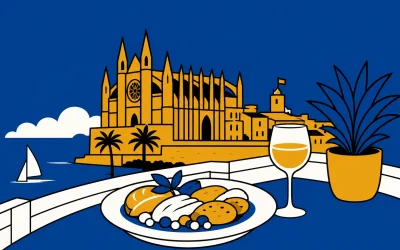
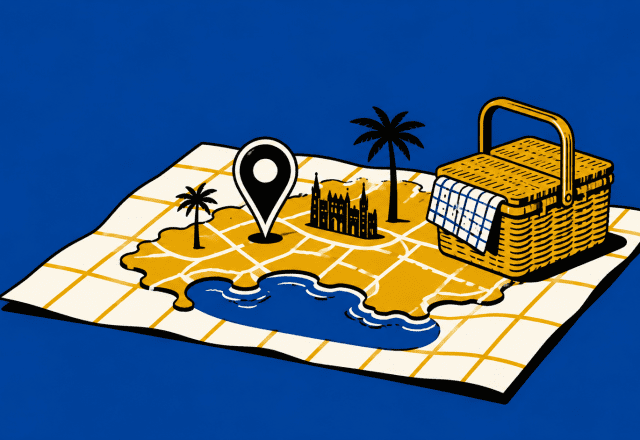
Imagine biting into crusty pa amb oli as the cathedral glows gold across the bay, or watching your kids race between pine trees while cicadas buzz in the heat. That’s Palma on a good picnic day.
If you’re in Mallorca’s capital in 2026, you’ve got the ingredients for some unforgettable outdoor meals: reliable sunshine, easy transport, and a mix of city parks, forests, and beach spots within minutes of each other.
This guide walks you through where to spread your blanket, when to go, how to get there, and what to pack so you don’t waste a single blue‑sky afternoon.
Why Palma is the Ideal City for a Picnic
Palma runs on outdoor life. Terraces, promenades, and plazas stay busy almost all year, and locals treat parks and beaches as extended living rooms.
Climate and outdoor culture in 2026
For picnics, Palma’s climate does a lot of the work for you.
Based on 2026 forecasts and long‑term data:
- Best picnic months: March–June, September–October
- March: 13–19°C, fresh but pleasant in the sun
- April: about 16–20°C, low wind, long days
- May: 19–23°C, dry and bright, perfect for longer outings
- June: 23–27°C, moving toward “beach only” territory
- September: mid‑20s, sea still warm, crowds thinner
An El Niño pattern is likely to push late spring and early summer 1–2°C warmer than usual. So late morning and late afternoon feel best; you’ll want to avoid sitting in full sun at 2 p.m. in June.
Ideal picnic hours in 2026:
- 10 a.m.–1 p.m. for families and those who burn easily
- 5 p.m.–sunset for couples, photographers, and anyone chasing softer light
Wind tends to be lighter in the morning. Sheltered city parks like Parc de la Mar or Parc de Sa Feixina often feel a couple of degrees warmer than the official forecast.
Typical Mallorcan picnic foods and drinks
Locals rarely overcomplicate it. A “proper” Mallorcan picnic is simple, flavour‑packed, and built around bread and cured things.
Core items you’ll see in baskets:
- Pa amb oli: country bread, tomato rubbed in, olive oil, salt, then topped with cheese, ham, or sobrassada
- Sobrassada: soft, paprika‑rich sausage you spread on bread
- Mallorcan cheeses: semi‑cured cow’s or mixed milk, sliced thick
- Olives and pickles: cracked green olives, guindilla peppers
- Cocas saladas: flatbreads with roasted peppers, onion, or spinach
- Ensaimada: spiral pastry dusted with sugar, perfect for a late‑morning picnic
- Local fruit in season: strawberries in spring, apricots and melon as summer arrives
To drink: chilled rosé or white from Binissalem, local beer, or just sparkling water with lemon. Alcohol is common but keep it discreet in family parks and avoid glass on the sand.
Top 7 Picnic Spots in Palma
You can cross the whole city by EMT bus in under 30 minutes, so think of these as a menu. Mix a leafy park day with a sunset beach picnic the next.
Parc de Sa Feixina – Family‑Friendly Urban Oasis
Tucked between the Es Baluard museum and Santa Catalina, Sa Feixina feels surprisingly calm given its central location.
You’ll find:
- A large play area at the top with climbing frames and an enclosed corner for toddlers
- Benches shaded by vines and creepers, ideal if you forgot a parasol
- A long, shallow water feature that adds background sound (kids love watching it even when they can’t splash)
Grassy stretches at the lower end are where local parents spread blankets while kids cycle around or kick a ball.
Who it suits
- Families with young children
- Anyone staying nearby in Santa Catalina or the old town who wants a “walk‑able” picnic option
- People combining culture and food: Es Baluard plus tapas in Santa Catalina after your picnic
Food options nearby
You’re minutes from:
- Santa Catalina market for cheese, ham, bread, and fruit
- Dozens of bakeries and cafés along Carrer de Sant Magí and surrounding streets
Grab supplies there, then walk 5–10 minutes to the park.
Getting there
- On foot: easy from the old town, Santa Catalina, or Passeig Marítim
- Bus: several EMT routes run along Avinguda Argentina / Passeig Mallorca; use the EMT planner to pick the closest stop
Parking
- Underground car park at Passeig Mallorca (around 435 spaces)
- Nearby Comte de Sallent and Marqués de la Sènia garages are also within reach
Street parking is ORA (blue zone) with time limits on weekdays and Saturday mornings.
Accessibility
Paths are mostly flat, with ramps from the surrounding streets. Benches are frequent. Even in hotter months, those vine‑covered pergolas give real relief for older visitors.
Parc de Ses Estacions – Relax Among Roses and History
Right behind Plaça d’Espanya, this park is both a transit hub and a place to pause. Locals cross it to catch trains and buses; others stop and stretch out on the lawns.
Expect:
- Long, undulating grassy areas that work well for blankets
- Mature trees for natural shade
- A children’s playground and a water area kids can play around in summer
- Occasional rose beds and formal planting that add colour around late spring
The energy here is more “city park” than quiet hideaway. You watch commuters, tourists with suitcases, and street musicians while you eat.
Ideal time to visit
- Late morning on a travel day, if you’re coming back from Soller or Inca
- Late afternoon in spring when the light softens and shade stretches across the lawns
Food shopping
Directly across the road in Plaça d’Espanya you can:
- Pick up cold cuts, cheese, and olives at delis like Son Vivot (often recommended by locals for quick picnic supplies)
- Grab gelato or coffee before or after you eat
You’re also a short walk from Mercat de l’Olivar for a fuller shop.
Getting there
Plaça d’Espanya is Palma’s transport heart.
- Bus: almost all EMT lines connect through here or nearby
- Train/metro: regional TIB trains and the metro both start at Intermodal station
- Car: use Plaça d’Espanya or Plaça de l’Olivar garages if you’re driving into the centre
From the stations, follow signs upward and you’re in the park within minutes.
Accessibility
Paths are broad and mostly level. There’s plenty of seating and easy access to public toilets in or near the station complex, which matters if you’re out with kids or elderly relatives.
Parc de Bellver – Forest Adventures with Panoramic Views
Bellver isn’t a manicured city park. It’s a pine forest wrapping around a hill with a circular castle on top and long views over Palma and the bay.
Near the Carrer Polvorí entrance you’ll find:
- A picnic area with sturdy tables and benches
- A ping‑pong table
- A playground just below, including a short zip line that keeps younger kids occupied
Walk away from the entrance and the forest becomes denser. Paths, some paved and some dirt, snake upwards; the reward is viewpoints and the castle itself.
Who it suits
- Active families who don’t mind some uphill walking
- Dog owners (many locals bring their dogs here)
- Hikers and runners looking to pair movement with a picnic stop
Strollers can manage the entrance area but much of the forest is rougher. Wear proper shoes; flip‑flops belong on the beach.
Bring your own supplies
Inside the forest there are no shops. The only regular food option is the small café near Castell de Bellver, and that’s more backup than primary plan.
Pick up sandwiches, fruit, and water in Santa Catalina, El Terreno, or near Passeig Marítim before heading uphill.
Getting there
- Bus: EMT routes serving El Terreno and the upper areas above Passeig Marítim get you within walking distance; exact line numbers change, so check the route planner
- On foot: from the seafront it’s a steep but doable walk; allow 20–30 minutes from the Paseo Marítimo
- Car: street parking in surrounding neighbourhoods plus pay car parks like Marqués de la Sènia nearby
Avoid summer midday arrivals; the climb feels much harsher in full heat.
Accessibility
The lower picnic area and playground are reachable from the road, but slopes are real and surfaces can be uneven. For visitors with reduced mobility, focus on this entrance zone and the viewpoints accessible by car.
Parc de la Mar – Historic Views by the Lake
Parc de la Mar stretches between the cathedral and the sea, anchored by a big saltwater lake that mirrors La Seu’s sandstone walls.
You can:
- Sit on the broad stone steps facing the lake and cathedral
- Spread a blanket on smaller grassy patches
- Let kids burn energy in the nearby playground
- Watch events and cultural happenings that often take over parts of the park
It’s one of Palma’s most photographed spots, and for good reason.
Renovation status in 2026
A major second renovation phase is scheduled to start in 2026, with improvements to:
- Pathways and drainage
- Accessibility (ramps, routes, seating)
- Lighting and sculptural elements
Sections of the park may close temporarily while works progress, but the area won’t vanish from the map. Expect some fencing and machinery, and check local news or tourist offices for current closures.
If you find your favourite steps taped off, switch to:
- The upgraded Paseo Marítimo waterfront, now a broad pedestrian promenade
- The Portixol seafront path a short walk or cycle away
Food and drink
Options are endless:
- Cafés around the park itself
- Bakeries and tapas bars across the main road in the old town
- Quick supermarket stops in the city centre streets behind the cathedral
You can show up empty‑handed and still eat well.
Getting there
- On foot: easy from any part of the historic centre
- Bus: several EMT lines stop nearby on the Avingudes and seafront
- Car: underground Parc de la Mar parking is designed for this area, with space for cars and free bicycle parking
From the garage, lifts and ramps bring you up to the park level.
Accessibility
One of Palma’s best spots for visitors with reduced mobility. Wide, mostly level paths, ramps, and plenty of benches. Renovations in 2026 focus on making it even easier to navigate.
Palma City Beach (Can Pere Antoni) – Picnic with Ocean Breeze
Can Pere Antoni is the city’s own beach, stretching east from Parc de la Mar. Locals eat their takeaway lunches here, go for after‑work swims, and gather with friends at sunset.
The recipe is simple:
- Sand, sea, and a clear line of sight to the cathedral behind you
- A paved promenade for cyclists and walkers
- A handful of chiringuitos and beach bars in season
Spread your towel, accept a bit of sand in your bread, and you’ve got one of the most atmospheric “dining rooms” in Palma.
Best times in 2026
With warmer‑than‑usual late spring temperatures expected:
- April and May: mid‑day picnics are still pleasant, especially with a breeze
- June and early September: aim for 10–11 a.m. starts or sunset picnics after 6 p.m.
- High summer dates: if you’re here, treat the picnic as a late, slow dinner, not a midday roast
For romance, bring cava or a local rosé, arrive an hour before sunset, and watch the sky shift from orange to pink over the bay.
Getting there
- On foot or bike: follow the waterfront east from Parc de la Mar
- Bus: EMT routes that serve the seafront toward Portixol and Playa de Palma stop close by
- Car: use underground garages in the centre, then stroll along the promenade, or look for street parking toward Portixol (mind the ORA zones and time limits)
Accessibility
The promenade is flat and smooth, good for wheelchairs, buggies, and anyone unsteady on their feet. Getting onto the sand itself can be harder; look for designated accessible beach access points in high season.
New or Lesser‑Known Spots for 2026
No brand‑new public parks opened in Palma for 2025–2026, but a couple of areas are underrated for picnics, especially if you dislike crowds.
1. Passeig Mallorca’s riverside strips
Along Passeig Mallorca, the Sa Riera torrent is bordered by narrow green strips with benches and trees. It’s not a full park, but:
- You get shade and seating
- You’re close to cafés and bakeries
- You’re within a short walk of both Sa Feixina and the old town
Perfect for a quick, low‑effort picnic or coffee and croissant outdoors.
2. Portixol seafront
A 15–20 minute walk or short cycle east of Can Pere Antoni brings you to Portixol, a former fishing village turned residential favourite.
Here you’ll find:
- A paved coastal path with low walls that double as benches
- Small pocket beaches and rocky platforms where you can sit with your feet almost in the water
- Cafés and restaurants all along the front if you want to mix picnic snacks with a bought coffee or dessert
It’s more relaxed than the city beach and great in late afternoon when the air cools a little.
Sustainable Picnicking Tips in Palma
Palma doesn’t have a single, easy‑to‑quote rulebook for all parks online, but city‑level guidance and Spanish norms give a clear picture of how to behave.
Key points:
- Fires and barbecues: don’t use them in city parks or forests like Bellver. Open flames are restricted due to fire risk.
- Alcohol: public drinking rules vary. A quiet bottle of wine with your food is usually tolerated in parks and on the beach, but avoid rowdiness, glass on sand, and large coolers of booze.
- Pets: dogs are common in places like Bellver and along the promenade. Keep them on a lead in parks unless signs say otherwise, and always pick up waste. Beaches may have seasonal dog restrictions; check local signage.
- Rubbish: bring bags, sort your waste, and use the city’s recycling containers (yellow for packaging, blue for paper, green for glass, grey/brown for general/organic). If bins are overflowing, carry your rubbish out.
- Noise: Bluetooth speakers at full blast are a quick way to annoy locals. Keep volume low, especially late in the day.
COVID‑19 specific rules have eased by 2026, but expect hospitals and health authorities to recommend:
- Staying home if you’re sick
- Carrying hand sanitiser
- Respecting personal space in busy playgrounds or during larger events
Where to Shop for the Perfect Mallorcan Picnic Basket
You don’t need a car full of groceries. Palma’s markets and bakeries are dense enough that you can buy as you go.
Central markets
- Mercat de l’Olivar
Close to Plaça d’Espanya, perfect before Ses Estacions or Sa Feixina.
- Stalls with local cheese, charcuterie, olives, fresh bread, and fruit
- Fish market if you’re heading back to an apartment after your picnic
- Mercat de Santa Catalina
Best for Sa Feixina or Bellver.
- Traditional counters piled with seasonal produce and baked goods
- Ready‑to‑eat items like cocas, roast chicken, and prepared salads
Delis and bakeries worth knowing
Scattered around the centre and Santa Catalina, you’ll find:
- Mallorcan bakeries selling ensaimadas, savoury pastries, and loaves suited to pa amb oli
- Delis near Plaça d’Espanya such as Son Vivot for quick, quality cold cuts and cheese
- Small supermarkets and convenience stores within a few minutes of almost every park
Aim for a mix: one starch (bread or coca), one or two proteins (cheese, ham, sobrassada), something fresh (tomatoes, fruit), and a sweet finish.
Accessibility, Transport, and Practical Tips
Even without a car, Palma is easy to cross.
Getting around: bus, metro, and water bus
EMT urban buses
- 30+ routes inside Palma
- Typical hours: 6 a.m. to around midnight
- Key ideas: use the city centre circular line for hops between Plaça d’Espanya, Parc de la Mar, and the seafront; other lines head to beaches and residential areas near Bellver and Portixol
TIB regional buses and trains
- Connect Palma to the rest of the island
- Interurban journeys using the official transport cards remain free in 2026, but most of your picnic spots in this guide sit within the city EMT zone
Metro
- Line 1 runs from the centre toward the university area; handy if you’re staying near those stops, but less relevant for these specific picnic spots
New water bus (2026)
- Three lines link parts of the bay, including Portopí and Portixol
- Runs roughly every 30 minutes from early morning to late evening
- Smart way to combine a mini boat ride with a seafront picnic
Check timetables via EMT Palma or TIB before you travel.
Parking and driving
Palma has 16 public underground car parks with around 4,500 spaces. For our spots:
- Sa Feixina / Passeig Mallorca: use Passeig Mallorca or Comte de Sallent
- Ses Estacions: Plaça d’Espanya, Plaça Major, or Plaça de l’Olivar
- Parc de la Mar / Can Pere Antoni: Parc de la Mar garage is easiest
- Bellver: Marqués de la Sènia or street parking uphill toward El Terreno
Exterior free car parks exist slightly further out, like Gabriel Alomar i Villalonga and Son Gotleu, but they’re not ideal if you’re carrying bulky picnic gear.
On‑street ORA zones:
- Pay Monday–Friday 9–14h and 16:30–20h; Saturday mornings
- Max stay usually 90 minutes
- Free on Saturday afternoons and Sundays
Weather and seasonal considerations
- Spring (March–May): best overall. Carry a light layer and maybe a small blanket for evening picnics; sea breezes can cool fast.
- Summer (June–August): strong sun and crowds. Avoid midday; favour sunrise or sunset picnics, especially at the beach.
- Autumn (September–October): lovely shoulder season; watch for the odd shower and bring a compact umbrella or waterproof blanket.
Always check AEMET or a reliable app for wind warnings. In exposed spots like Bellver, strong gusts can turn a relaxed lunch into a napkin‑chasing game.
Frequently Asked Questions
1. Which picnic spots are best for young children?
- Parc de Sa Feixina and Parc de Ses Estacions: central, easy access, big playgrounds, lots of shade
- Parc de la Mar: playground plus wide, open areas where you can see kids from a distance
For toddlers, Sa Feixina’s enclosed play section is especially handy.
2. Where can I find shade or shelter?
- Sa Feixina’s vine‑covered benches
- The mature trees in Ses Estacions
- Shady corners of Parc de la Mar under the old walls
- The pine forest at Bellver
For rain, aim for parks near arcades and cafés (Sa Feixina, Parc de la Mar) so you can retreat quickly.
3. Are dogs allowed?
Dogs are common in Palma’s parks and along the promenade. Expect standard European rules:
- Keep them on a lead unless a sign indicates a free‑run area
- Avoid children’s play zones
- Collect waste and use the bins provided
Beaches may have time‑of‑day or seasonal dog restrictions; read local signage carefully.
4. Can I barbecue in the parks or on the beach?
No. Open flames and portable grills are generally not allowed in city parks and forests due to fire risk, and they’re frowned on at urban beaches. Stick to cold food or items that don’t require on‑site cooking.
5. Are there toilets near these spots?
- Parc de la Mar and Ses Estacions are close to public or station toilets and plenty of cafés
- Sa Feixina and Bellver rely more on nearby bars or restaurants; plan ahead
- Can Pere Antoni has beach facilities in season, plus cafés along the promenade
Carry a small amount of change; some public toilets and cafés charge small fees for non‑customers.
Local Picnic Etiquette and Safety in 2026
A good rule in Palma: behave as if the space belongs to your neighbours, not just tourists.
Etiquette basics
- Keep noise to a level where people a few blankets away can still chat
- Don’t block narrow paths with blankets or bikes
- Respect closing times; many parks shut late evening or at night, and police do ask people to leave
- Dress casually but remember you’re not on a remote cove; bikinis are fine on the beach, less so in inner‑city lawns
Health and hygiene
Spain in 2026 isn’t running active COVID restrictions in everyday parks, but some habits stuck:
- Use hand sanitiser before eating, especially after playgrounds or public transport
- Avoid sharing bottles or cutlery with strangers at group meetups
- Give a bit of personal space in queues for ice cream or toilets
Heat safety matters more now with warmer springs and summers:
- Pack water generously
- Use shade, hats, and sunscreen
- Watch kids and older relatives for early signs of heat exhaustion
Simple gear list that actually helps
You don’t need a full camping kit. What does help:
- A folding blanket with a waterproof underside
- A lightweight cooler bag or insulated backpack
- Reusable cups, plates, and cutlery
- A small trash bag and maybe one for recycling
- Clip‑on shade or a compact umbrella if you burn easily
Navigation and planning apps (EMT route planner, standard map apps, AEMET or AccuWeather) tie it all together, making last‑minute swaps easy if Parc de la Mar has construction barriers up or the wind picks up at the beach.
Pick one spot that suits your day, grab a loaf of bread and some sobrassada, and give yourself an unhurried hour under those Balearic skies.
If you want a natural starting point, head to Parc de la Mar on your first day, then Bellver or Sa Feixina once you’ve found your feet in the city.

Alison is a travel writer with a passion for solo adventures, photography, and Mediterranean escapes. She enjoys exploring Mallorca’s scenic coastline, charming villages, boutique hotels, and hidden gems, sharing stories that inspire curious travelers to discover the island beyond the obvious. Her work has been featured in outlets including Forbes, CNN, Travel + Leisure, and Yahoo.