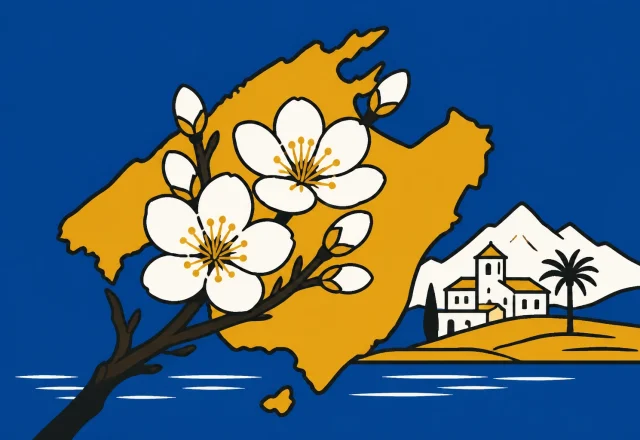
For a few short weeks every year, Mallorca looks like someone threw a soft white and pink veil over the island. Locals know spring has arrived when the almond blossom appears, even if the calendar still says winter.
If you’re planning a trip built around that moment, timing and location matter a lot.
When Does the Almond Blossom Bloom in Mallorca?
Almond blossom in Mallorca usually runs from late January to late February, with some variation from year to year.
You can think of the season in three phases:
- Early bloom: roughly late January to the first days of February. Warmer winters can pull this forward by a week.
- Peak bloom: usually first half of February, when large valleys and fields look completely frosted in white and pale pink.
- Late bloom / stragglers: mid to late February, sometimes stretching into early March in cooler, higher areas.
Warmer, drier winters tend to push the bloom earlier and shorten the peak. Cooler or wetter conditions often spread it out but can also reduce flower density in some groves. For 2026, check weather patterns from December and early January: a mild, sunny pattern usually means an earlier show.
Planning tip
- Photographers: Aim for the first two weeks of February for the highest chance of full blossom and stable light.
- Hikers and cyclists: Late January to mid‑February balances flowers with cooler temperatures and quieter trails.
- Flexible travelers: Watch local social media and Mallorca tourism channels; once locals start posting “mar de flor d’ametller” (sea of almond blossom), book quickly.
Why Almond Trees Matter So Much in Mallorca
Almond trees aren’t just pretty here. They helped shape rural Mallorca.
After a devastating vine disease in the late 19th century, many farmers switched from grapes to almonds and olives. Almonds became a key cash crop, especially in the central plain and foothills of the Tramuntana mountains. Walk through a blossom-filled valley and you’re moving through that history.
Villages still celebrate the tree through:
- Family-owned groves passed down through generations.
- Traditional recipes like gató and almond ice cream.
- Seasonal fairs and markets that mark the transition from winter to spring.
You’re not just looking at flowers; you’re looking at a living archive of Mallorcan agriculture and food culture.
Best Places to See the Almond Blossom in Mallorca
You’ll find almond trees all over the island, but some areas turn into true “seas” of blossom. If you’re building a route, start with these.
1. Bunyola and the Sóller Valley Approach
Leaving Palma towards Sóller, the landscape starts to shift around Bunyola. Terraced hillsides and broad fields hold hundreds of trees.
- Why go: Easy access from Palma, rolling views, and a good mix of blossom and traditional stone villages.
How to get there
- By train: Take the vintage train Palma–Sóller; it rattles past large blossom-filled fields near Bunyola.
- By bus: Regular buses run Palma–Bunyola; from the village, you can walk country lanes.
- By car: About 20–25 minutes from Palma on the Ma-11.
Look for small side roads around Bunyola and Palmanyola; many have safe spots to pull over for photos.
2. Lloseta and Selva
North of Inca, between Lloseta and Selva, wide plains meet the first foothills of the Tramuntana.
- Why go: Long views of white fields backed by mountains, especially dramatic on clear days with snow on the highest peaks.
Access
- Train: Lines from Palma to Inca and Sa Pobla stop near Lloseta; from the station, country lanes branch out into blossom areas.
- Car: Follow the Ma‑2110 and nearby secondary roads between Lloseta, Selva, and Caimari.
Late afternoon light here can be spectacular, with the setting sun catching both petals and stone church towers.
3. Santa Maria del Camí and Consell
The flatland between Santa Maria and Consell is classic almond territory.
- Why go: Easy day trip from Palma, gentle terrain for cycling, and vineyards mixed with almond groves.
Access
- Train: Frequent trains from Palma to Santa Maria and Consell–Alaró stations.
- Bike: The Ma‑13A service road and surrounding lanes are popular cycling routes.
- Car: Around 15 minutes from Palma along the Ma‑13 highway.
Pair a blossom ride with a winery visit or a village café stop for almond pastries.
4. Marratxí and the Outskirts of Palma
If you’re short on time, you don’t need to go far from the capital.
- Why go: Quick access from Palma, urban‑rural mix, and good for half‑day visits.
Access
- Train & metro: Stops at Es Caülls and Marratxí bring you within walking distance of fields.
- Car: Follow signs towards Marratxí or Pont d’Inca; small roads branch off into areas with blossom.
It’s not the wildest area, but for many visitors staying in the city, it’s the easiest way to see orchards in flower.
5. Sencelles and Costitx
Right in the island’s central plain, the countryside around Sencelles and Costitx is dense with almond groves.
- Why go: Vast fields with almost uninterrupted blossom, traditional farmhouses, and very rural quiet.
Access
- Car: Best explored by car; take secondary roads from Inca or Sineu.
- Bike: Flat and low-traffic, popular with road cyclists in February.
Sunrise here feels otherworldly: low mist, birds calling, and rows of pink and white trees fading into the distance.
6. Sant Llorenç des Cardassar and Son Servera
On the east side of the island, inland from the coastal resorts, the area around Sant Llorenç and Son Servera offers rolling hills dotted with almond trees.
- Why go: Combines blossom with easy access to beaches like Cala Millor and Sa Coma.
Access
- Bus: Interurban buses run from Manacor and coastal towns.
- Car: Follow the Ma‑15 to Manacor, then head towards Sant Llorenç and Son Servera.
Son Servera also hosts one of the key almond blossom fairs each year, making this region a smart base.
Almond Blossom Festivals and Cultural Events
Fira de la Flor d’Ametler in Son Servera
The Fira de la Flor d’Ametler (Almond Blossom Fair) usually takes place in February in or near Son Servera. The exact date changes every year, so check local event listings or the Son Servera town hall page for 2026.
Expect:
- Stalls selling almonds, oils, liqueurs, sweets, and crafts.
- Demonstrations of traditional farming tools and techniques.
- Tastings of almond-based products and local wines.
- Folk music, dance, and children’s activities in and around the village.
It’s not a polished theme park experience; it feels like a genuine local fair where farmers, artisans, and families meet.
Other Almond-Themed Events and Experiences
Aside from the main fair, you can often find:
- Art exhibitions inspired by almond blossom in local galleries.
- Workshops on almond-based cooking, especially around Palma and larger towns.
- Farm visits or tastings arranged through rural hotels or agroturismos.
Because small events change frequently, use official tourism portals and local tourist offices once you arrive to check what’s on during your stay.
Things to Do During Almond Blossom Season
Ride the Vintage Train from Palma to Sóller
The historic Ferrocarril de Sóller is already famous for its wooden carriages and mountain views. During almond blossom season, it turns into a moving viewing platform.
- Watch fields around Bunyola and the lower Sóller valley unfold in white and pink.
- Sit on the side facing inland as you leave Palma for better orchard views.
- Combine the ride with a stroll through Sóller, where you’ll often find almond sweets in bakeries.
Search for “vintage train Palma Sóller almond blossom” when booking dates in 2026 to sync your ride with peak bloom.
Hike Through Blossom-Filled Countryside
Several classic routes pass directly by or through almond groves:
Es Capdellà to Galatzó Estate
Rolling countryside, stone walls, scattered farmhouses, and trees on both sides of the path.
Alaró to Es Verger
Start in Alaró, walk uphill through terraces where almond trees share space with olives and carob.
Around Binissalem and Lloseta
Easier walks along country lanes and farm tracks, ideal for relaxed blossom viewing and photos.
Carry a map or use a hiking app, and always respect private property. Many trees stand on working farmland; stick to marked paths.
Cycle Quiet Country Lanes
February is prime cycling season in Mallorca. Temperatures sit comfortably cool, and roads are less crowded than in summer.
Good blossom-friendly cycling areas:
- Pla de Mallorca: Flat central plain around Sencelles, Costitx, Sineu.
- Santa Maria – Binissalem – Lloseta loop: Mix of vineyards and almond groves.
- Campos and Porreres: Rolling countryside peppered with farms and groves.
You’ll find rental bikes in Palma, Alcúdia, Port de Pollença, and many resorts. Ask rental shops for almond blossom-friendly routes, as many have pre-mapped GPS tracks.
Taste Mallorca: Almond Specialties You Can’t Miss
Seeing flowers is one thing. Tasting the result is another.
Classic Almond Treats
Look for:
- Gató d’ametlles: Light, flourless almond cake, often served with ice cream.
- Almond ice cream (gelat d’ametlla): Creamy, slightly nutty, and sometimes made with local almonds and milk.
- Almond milk and horchata-style drinks: Non-dairy, lightly sweet drinks served chilled.
- Almond turrón and sweets: Seasonal nougats and candies, especially around markets.
Where to Try Almond Dishes
- Traditional bakeries in Palma’s old town and inland villages: great for gató and pastries.
- Rural restaurants near groves: Many country restaurants around Santa Maria, Inca, and the central plain add almond-based desserts to winter–spring menus.
- Markets: Weekly markets in towns like Sineu, Inca, and Santanyí often have stalls selling local almonds, oils, and liqueurs.
Search for “almond recipes Mallorca” or ask at your accommodation for current recommendations. Many chefs experiment with seasonal almond sauces, crusts, and desserts in late winter.
Practical Travel Tips for Almond Blossom Season
Getting Around Without a Car
You can see a lot of blossom using public transport:
Train from Palma
Lines to Inca, Sa Pobla, Manacor and stops like Santa Maria, Lloseta, and Consell put you close to groves.
Buses
Interurban buses connect Palma to towns such as Bunyola, Son Servera, Sant Llorenç, and many more.
Combine trains or buses with short walks or bike rentals in each town for more freedom.
Renting a Car or Bike
For maximum flexibility:
- Car hire: Best if you want to hop between small villages and pull over frequently for photos.
- Bike hire: Perfect for the central plain and areas around Santa Maria, Binissalem, and Sencelles; the terrain stays mostly gentle.
Check rental pickup options in Palma city, at the airport, or in larger resorts.
Where to Stay for Easy Blossom Access
You don’t have to stay in one of the main resorts to enjoy the season. Consider:
Palma
Good base if you want culture, restaurants, and easy day trips by train and bus to Santa Maria, Bunyola, and Marratxí.
Inca or nearby villages
Right at the edge of the central plain, close to Lloseta, Selva, and Sencelles.
Son Servera / east coast
Combines almond blossom in the countryside with beach walks at Cala Millor and surrounding bays.
Rural agroturismos
Farm stays often sit directly among orchards; on some mornings you can open your window to fields of blossom.
Avoiding Crowds and Making the Most of It
- Visit popular areas like Bunyola or Son Servera on weekdays rather than weekends.
- Go out early in the morning for softer light, fewer cars, and more bird song.
- Pack layers: mornings can be cold, even if afternoons feel spring-like.
Sustainability and Conservation of Almond Groves in Mallorca
Many traditional almond groves face pressure from drought, changing markets, and the rise of more intensive crops. At the same time, there’s growing interest in sustainable tourism and local food.
Several local projects and cooperatives work on:
- Supporting traditional almond varieties that suit the island’s climate.
- Promoting organic farming methods with lower chemical use.
- Encouraging direct sales from farmers to visitors through markets and farm shops.
As a visitor, you can help by:
- Buying local almond products rather than imported ones, even if the price is slightly higher.
- Choosing rural accommodations that manage water carefully and support nearby farmers.
- Staying on marked paths so you don’t damage young trees, stone walls, or irrigation channels.
- Taking your rubbish with you and avoiding plastic where possible.
Eco-conscious travelers often find almond blossom season ideal: temperatures are lower, crowds are lighter, and many activities naturally revolve around walking, cycling, and train travel.
Planning Your Almond Blossom Trip to Mallorca in 2026
If you want to see spring arrive in Mallorca with almond blossom, put a clear window in your calendar: late January to mid‑February 2026. Use Palma or a central village as your base, then spend a few days exploring Bunyola, Santa Maria, Sencelles, Lloseta, and Son Servera.
Ride the vintage train, walk between stone terraces, join a local fair if your dates match, and end the day with a slice of gató and almond ice cream. That combination of scenery, food, and local tradition is what makes Mallorca’s almond blossom season unique.
Start with a flight to Palma, book a few nights near the central plain, and let the bloom decide the rest.

Alison is a travel writer with a passion for solo adventures, photography, and Mediterranean escapes. She enjoys exploring Mallorca’s scenic coastline, charming villages, boutique hotels, and hidden gems, sharing stories that inspire curious travelers to discover the island beyond the obvious. Her work has been featured in outlets including Forbes, CNN, Travel + Leisure, and Yahoo.