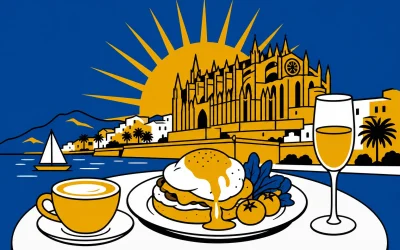
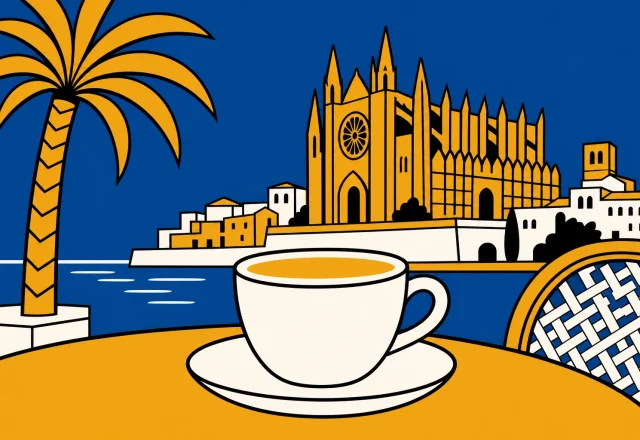
Pull up a chair on a sun‑splashed terrace in Palma and you’ll see it immediately: coffee isn’t just a drink here, it’s a daily rhythm. Locals linger over tiny cups, tourists stretch out brunch for hours, and every table seems to have its own story.
Café culture in Palma in 2026 feels both timeless and fresh, mixing historic cafés, specialty roasters, and relaxed terraces where nobody looks at you funny for ordering a second cortado… or a third.
How Palma’s café culture grew up
Palma’s cafés started gathering steam in the 19th century, when coffee houses across Spain became informal “offices” for writers, politicians, and merchants. Ideas, gossip, and deals all passed over marble tables and porcelain cups.
Espresso machines arrived in the mid‑20th century and changed everything. Short, strong coffee became the norm, but Palma held on to slow rituals: sitting down to drink, talking face to face, and ordering something sweet on the side.
By 2026, the city blends that heritage with specialty coffee trends. You’ll see third‑wave roasters, oat milk flat whites, and seasonal filter menus, but also abuelos at the bar ordering a simple café solo the way they always have.
What to order: decoding Palma’s coffee menu
Walk into any café in Palma and the menu might look familiar but slightly different from what you know at home. Here’s how to speak “coffee” like a local.
| Coffee style | What you get | When locals order it |
|---|---|---|
| Café solo | A single shot of espresso, short and intense | Morning kickstart or quick afternoon |
| Cortado | Espresso “cut” with a splash of warm milk | All‑day favorite |
| Café con leche | Half espresso, half steamed milk in a larger cup | Classic breakfast or mid‑morning |
| Manchado | Mostly hot milk “stained” with a touch of coffee | For light coffee drinkers |
| Café con hielo | Espresso served with a glass of ice on the side | Summer essential |
| Café bombón | Espresso poured over sweet condensed milk | Dessert in a cup |
| Carajillo | Espresso plus a shot of rum or liqueur (often separate) | After lunch or dinner |
A few tips:
- Order café con hielo by pouring the hot espresso over the ice yourself. It melts just enough, then chills fast.
- Carajillo in Palma often comes with a small bottle of local rum or herbal liqueur so you can mix to taste. It’s part drink, part ritual.
- Many cafés in 2026 list single‑origin beans, cold brew, V60, and flat whites alongside the classics. If you care about flavor notes, ask which beans they’re using that week.
Old Town gems: coffee with history
The Old Town is where café culture in Palma feels most cinematic. Narrow streets, stone facades, and hidden patios make every coffee break feel like a scene.
Cappuccino Grand Café, Plaza Cort
Set by the town hall and ancient olive trees, Cappuccino at Plaza Cort is pure postcard material. You get polished service, shaded outdoor tables, and a people‑watching spot that can easily eat an afternoon of your time.
Palau March
Near the cathedral, the café at Palau March gives you that grand‑house vibe with views, sculpture, and a calm terrace. It’s the kind of place where a simple café con leche turns into a slow, late‑morning ritual.
Around the Old Town you’ll find plenty of small bars that double as cafés. Many have tiled interiors, zinc counters, and regulars who order without speaking. Sit at the bar if you want the local experience; take a terrace table if you want to stretch out.
Santa Catalina: the trendy side of café culture in Palma
If the Old Town is classic Palma, Santa Catalina is the neighborhood that keeps pushing café culture forward. Formerly a fishermen’s district, it’s now packed with brunch spots, bars, and coffee counters that open early and go strong all day.
Santina
Santina stands out for pairing excellent coffee with a bright, health‑leaning menu. You’ll see flat whites, cold brew, açai bowls, and stacked toast plates going out nonstop. It’s busy, social, and very “Palma 2026.”
Other Santa Catalina spots lean hard into:
- Brunch dishes based on local produce
- Plant‑based menus and alternative milks as standard
- Natural light, minimal interiors, and laptop‑friendly nooks
If you’re curious where younger locals and digital nomads hang out during the day, start your café crawl here.
City center favorites: easy stops between sights
In the commercial center around Passeig d’es Born and Plaça Major, cafés become natural pit stops between shops and museums. The mix is interesting: independent spots sit beside chains, but the smaller players often have the better coffee.
Rialto Café
Tucked into a stylish setting with design and retail elements, Rialto Café works as both a coffee break and a browsing moment. Expect good espresso, a relaxed vibe, and a place to pause right in the middle of town.
La Molienda
La Molienda helped push Palma toward specialty coffee, and it still draws locals for its in‑house roasts and brunch plates like avocado toast and eggs with local ingredients. The atmosphere is calm but not sleepy; it’s the kind of café where you “pop in for a quick coffee” and leave an hour later.
If you like to combine errands with good coffee, map out a short loop around these spots and you’ll never be far from a quality cup.
New cafés and a greener coffee scene
Cafe culture in Palma in 2026 has another layer: sustainability. Newer cafés often build their identity around environmental choices, and established spots are following.
Common details you’ll see:
- Fair trade or direct‑trade beans
- Reusable or compostable cups and straws
- Reduced single‑use plastics, including for takeaway
- Discounts for bringing your own cup
- Partnerships with local farmers for milk and produce
Some cafés even share where their coffee is roasted, how they handle waste grounds, or which local impact projects they support. If that matters to you, ask; owners tend to be proud of these efforts.
Coffee and cake: Palma’s sweetest pairing
You can’t talk about cafe culture in Palma without talking about what’s on the plate next to your cup.
Start with the classics:
- Ensaimada: Light, spiral pastry, often dusted with sugar or filled with cream, pumpkin jam, or chocolate.
- Rubiols: Semi‑circle pastries usually eaten at Easter but found year‑round, filled with jam, cottage cheese, or sweet squash.
- Coca de cuarto: Airy sponge cake that almost disappears in your mouth.
Historic bakeries like Horno Santo Cristo keep these traditions alive. Order an ensaimada with café con leche there and you’ll understand why locals defend their pastry scene so fiercely.
On the modern side:
- Mama Carmen’s focuses on creative, often plant‑based dishes and treats that work for different dietary needs without feeling like compromise.
- Rosevelvet Bakery brings a patisserie approach, with layered cakes, proper frosting, and lunch dishes that go far beyond “just a sandwich.”
The result is a city where you can move in a single day from old‑school sugar‑dusted ensaimada to gluten‑free carrot cake and specialty coffee.
What cafés mean to Palma’s daily life
Cafés in Palma are as much about how people live as what they drink. They’re extensions of living rooms, informal offices, and meeting spots that don’t require a reservation or a big bill.
You’ll see:
- Friends talking through long personal conversations over two small coffees
- Solo guests with a book or newspaper taking their time
- Quick standing coffees at the bar, especially early morning
- Families merging breakfast and lunch on weekends
The common thread is disfrutar: actually enjoying a moment instead of rushing through it. Nobody hovers with the bill as soon as you finish. You’re expected to stay as long as you like.
How to embrace café culture in Palma as a visitor
You don’t need to “act like a local,” but a few small habits help you blend in and get more pleasure out of the experience.
- Slow your pace
Don’t treat coffee as a grab‑and‑go refuel unless you really have to. Sit down, order, and give yourself at least 20 minutes.
- Try local styles first
Before you default to your usual latte, order a cortado, café con hielo in summer, or a post‑lunch carajillo at least once.
- Use the terrace
Outdoor tables are prime real estate. The supplement, if there is one, is usually small and worth it for the sunlight and street life.
- Order like locals
For breakfast, café con leche plus toast with tomato and olive oil or a small pastry is a classic combo. Ask for “tostada con tomate y aceite.”
- Respect unhurried service
Staff expect you to take your time, so they won’t constantly check on you. Ask when you’re ready to pay; they’ll bring the bill, and you can pay at the table or the bar depending on the spot.
- Look around, not just at your phone
Half the joy of café culture in Palma is watching how the city moves: deliveries, greetings, kids playing on the plaza, older neighbors chatting.
A simple way to plan your own café day in Palma
If you want a loose structure, try this:
- Morning: Old Town café near the cathedral for a café con leche and ensaimada.
- Late morning: Wander to a nearby specialty shop for a cortado or filter coffee.
- Lunch: Sit down in Santa Catalina, combine a light meal with an iced coffee or cold brew.
- Afternoon: City center stop at La Molienda or Rialto Café for an espresso and small sweet.
- Evening: After dinner, finish with a carajillo on a terrace as the city lights come on.
You’ll cover key parts of the city, taste the main local coffee styles, and feel how the rhythm shifts from morning rush to evening calm.
Cafe culture in Palma rewards curiosity and patience. Start with one café that catches your eye, order something you don’t usually drink, and let the city do the rest.

Alison is a travel writer with a passion for solo adventures, photography, and Mediterranean escapes. She enjoys exploring Mallorca’s scenic coastline, charming villages, boutique hotels, and hidden gems, sharing stories that inspire curious travelers to discover the island beyond the obvious. Her work has been featured in outlets including Forbes, CNN, Travel + Leisure, and Yahoo.