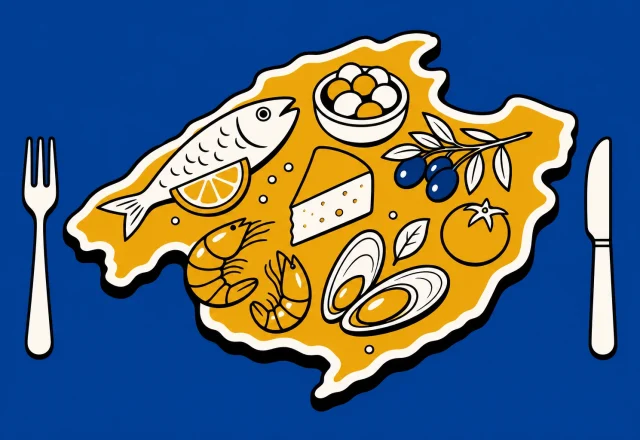
Ask ten people what they ate in Mallorca and you’ll get ten different answers: slow‑roasted pork, salty fish, flaky ensaimadas, cutting‑edge tasting menus. The island’s food scene in 2026 runs from farmhouse rustic to white-tablecloth experimental, often in the same neighborhood.
If you’re planning a trip and wondering what’s on the menu in Mallorca, here’s what you’ll actually find on the plate right now.
The Classics: Traditional Mallorcan Dishes
Mallorcan cooking grew out of farm life, long summers, and very little waste. Pork, olive oil, garden vegetables, and bread form the backbone. You’ll see the same ingredients repeated in totally different ways.
Pork-based specialties
If you eat meat, pork will follow you everywhere on the island.
- Sobrassada
A soft, spreadable cured sausage made from minced pork, paprika, salt, and spices. Locals spread it on toasted bread, bake it into pastries, or melt it over grilled vegetables. Order it “amb mel” (with honey) for a sweet-salty starter.
- Botifarró
Blood sausage with a strong, peppery flavor. It appears grilled alongside fried eggs and potatoes, sliced into stews, or tucked into rustic rice dishes.
- Lechona asada
Whole suckling pig roasted until the skin shatters and the meat falls apart. You’ll often see it on weekend menus and at village festivals. If you spot a chalkboard with “lechona” outside a celler, walk in.
These dishes pair well with rough country bread, olives, and a glass of local red.
Vegetable and bread-based dishes
Mallorca treats vegetables seriously, especially in rural restaurants where produce often comes from the back garden.
- Tumbet
Layers of fried aubergine, potatoes, and red peppers covered in a simple tomato sauce and baked. It’s naturally vegetarian, often served as a side with fish or pork, but many places now list it proudly as a main.
- Frit mallorquí
A pan-fried mix of pork offal, potatoes, peppers, artichokes, peas, and plenty of fennel and garlic. Intense, rustic, and usually found in traditional taverns rather than tourist strips.
- Llom amb col
Pork loin pieces wrapped in cabbage leaves and simmered with pine nuts and raisins. The result is savory with little pockets of sweetness.
- Sopes mallorquines
Not a liquid soup but a thick braise. Very thin slices of dry bread soak up a broth full of cabbage, onions, green beans, and whatever vegetables are in season. You eat it with a fork.
When you see “plat del dia” (dish of the day) at lunch, one of these often shows up.
Rice dishes beyond paella
You’ll still find paella in beachside restaurants, especially geared to visitors, but locals tend to get more excited about another pot of rice.
- Arròs brut (arros brut)
Literally “dirty rice” because of its dark, rich broth. Saffron, paprika, and meat juices color the grains. Typical pots include a mix of chicken, rabbit, pork, seasonal vegetables, and sometimes game. It arrives still bubbling in a metal casserole and will make your table smell amazing.
Ask for it in autumn or winter when richer dishes suit the weather and game is in season.
Seafood and Fish: From Island Waters to the Plate
Mallorca’s relationship with seafood is changing as fishing rules tighten and some species become harder to source. You’ll still eat very good fish; you just need to know what to look for.
Commonly featured on Mallorcan menus in 2026:
- Sea bass (lubina)
Often baked whole in a thick crust of sea salt, then cracked open at your table. The salt protects the flesh and keeps it moist. Some restaurants prepare it with herbs and lemon inside the cavity, nothing more.
- Lobster (llagosta) and prawns (gambas)
You’ll see these in rice dishes, grilled with garlic, or in special “mariscada” seafood platters. Prices can be steep, so check the board for daily offers.
- Sardines (sardinas)
When fresh, they’re simply grilled over high heat and dressed with oil, parsley, and lemon. Look for them around summer evenings in coastal towns.
Many restaurants now highlight which fish is local and in season, part of a wider push toward sustainable menus.
Gran Fiesta del Marisco: seafood in festival form
The Gran Fiesta del Marisco has been reworked for 2026 with more focus on sustainable catches and traceable sourcing. Expect:
- Tasting stands offering local crustaceans and mollusks.
- Cooking demos with Mallorcan chefs explaining how to handle less familiar species.
- Wine and vermut pairings built around specific seafood plates.
If your trip coincides, it’s one of the fastest ways to taste a broad slice of the island’s seafood in a single afternoon.
Sweet Things: Breads, Pastries and Desserts
Mallorca is brutal on anyone trying to avoid carbs. Bakeries sit on almost every corner, and many have been running for generations.
Iconic pastries and cakes
- Ensaimadas
The symbol of Mallorcan baking. A spiral of slightly sweet dough, leavened slowly and enriched with lard so it stays feather-light. Classic versions are plain and dusted with powdered sugar. Modern takes include fillings like:
- Cabello de ángel (pumpkin jam)
- Custard cream
- Chocolate
- Even sobrassada for a sweet-savory hit
You’ll often see boxed ensaimadas carried onto planes as edible souvenirs.
- Gató d’ametlla (gato de almendras)
A flourless almond cake with a coarse crumb and nutty flavor. Most restaurants serve it with almond ice cream or vanilla ice cream plus toasted almond flakes. It feels simple and local rather than flashy.
- Classic desserts with a twist
Flan, crema catalana, and house-made helado (ice cream) still round off many menus. In 2026, a lot of chefs source almonds, citrus, and dairy from nearby producers, so even “just ice cream” can taste distinct.
Pair desserts with a small glass of sweet Mallorcan wine or a local herbal liqueur if you enjoy after-dinner drinks.
Modern and Fusion Cuisine in 2026
Traditional dishes sit next to plates that wouldn’t have existed here ten years ago. Chefs are playing with format and diet preferences without losing the island accent.
How chefs are reworking classics
Several trends stand out on 2026 menus:
- Plant-forward Mallorcan dishes
Vegan and vegetarian interpretations of standards are now common in Palma and increasingly in inland towns. You might find:
- Vegan tumbet baked with olive oil and hearty tomato, no cheese needed.
- Sobrassada-style spreads made from paprika, olive oil, and nuts to mimic the texture and flavor profile without meat.
- Menus that clearly mark plant-based options instead of hiding them in the margins.
- Cross-cultural plates
Think sobrassada tacos, arros brut inspired risottos, bao buns filled with slow-cooked pork in Mallorcan spices, or ceviches built on local fish and citrus. The flavor base stays Mallorcan; the format roams.
- Farm-to-table focus
Many new restaurants identify their suppliers by name. Seasonal menus change fast, with “KM0” (zero-kilometer) ingredients like island lamb, citrus, artichokes, and almonds playing headline roles.
You’ll notice shorter menus and more frequent blackboard specials as a side effect. That’s generally a good sign.
Markets as the engine room
Markets matter here. They feed both home cooks and professional kitchens.
- Mercat de l’Olivar (Palma)
The island’s flagship indoor market. Stalls sell fresh fish, meat, vegetables, olives, and cheeses. Tucked between the stands are bars where you can sit down for:
- Fresh oysters and cava
- Grilled fish cooked to order
- Simple tapas made from whatever’s best that morning
It’s also where many Palma chefs shop before service.
- Santa Catalina Market
Smaller, with a strong neighborhood feel and plenty of bars around it. You can graze from coffee and pastries through to midday vermut and seafood.
Visiting these markets early in the day gives you a preview of what will show up on menus that night.
Where to Eat: Practical Pointers
You don’t need a spreadsheet of restaurant bookings to eat well in Mallorca, but a few rules help.
Casual local spots: cellers and bodegas
Look for old stone dining rooms, wine barrels stacked against the wall, menus on paper, and noisy tables.
- Cellers often focus on slow-cooked meats, arros brut, and daily stews.
- Bodegas lean heavily into wine, cold cuts, cheeses, and simple hot dishes.
If you see frit mallorquí, llom amb col, or sopes mallorquines on the menu, you’re probably in the right place for traditional cooking.
Markets and street-level eating
- Grab a pa amb oli (country bread rubbed with tomato and topped with cheese, ham, or sobrassada) at a market bar for a cheap, filling lunch.
- Sample small plates of olives, cheeses, and cured meats instead of sitting for a full meal if you’re short on time.
Markets make an easy intro if you’re just starting to figure out what’s on the menu in Mallorca and don’t want to commit to a long restaurant sitting.
Modern restaurants and tasting menus
Palma now has a dense cluster of modern bistros and fine-dining rooms. Common patterns:
- Seasonal tasting menus built around local produce.
- Wine pairings with bottles from the Binissalem and Pla i Llevant regions.
- Open kitchens and counter seating where you can watch the action.
In smaller towns, you’ll find renovated farmhouses offering set menus that update weekly depending on what came in from local farms and fishermen.
Book ahead for weekend evenings, especially from May to October.
How to spot (and skip) tourist traps
A few quick filters work well:
- Very long menus in several languages with photos of everything = proceed with caution.
- Menus featuring only generic “mixed paella,” burgers, and pasta on a busy square often cook for volume, not flavor.
- Places full of locals at weekday lunch are usually safe bets, even if the decor is basic.
Look instead for short menus, a daily chalkboard, and staff who talk enthusiastically about what’s fresh that day.
Sample: A Day of Eating in Mallorca
To pull it all together, here’s what a food-focused day could look like:
| Meal | What to Order | Where to Find It |
|---|---|---|
| Breakfast | Coffee and a small ensaimada | Any neighborhood bakery or café |
| Late snack | Pa amb oli with cheese and sobrassada | Market bar at Mercat de l’Olivar or Santa Catalina |
| Lunch | Arros brut or sopes mallorquines (menu del dia) | Celler in an inland town like Inca or Sineu |
| Afternoon | Gató d’ametlla with almond ice cream | Traditional pastry shop or café |
| Dinner | Salt-baked sea bass with tumbet on the side | Seafront restaurant that lists daily fish catches |
| Nightcap | Local herbal liqueur or sweet wine | Wine bar in Palma’s old town |
Swap in a vegan tumbet or a creative modern tasting menu and you still get the same structure: market, classic, modern, sweet.
What’s Next: Make a Short Food Plan
You don’t need to plan every bite, but you’ll eat better if you:
- List 3 traditional dishes you want to try (for example, sobrassada, arros brut, ensaimada).
- Pick 1 market to visit and one evening for a more modern restaurant.
- Leave one lunch open to follow your nose in whichever town you’re exploring.
Start by booking a table at a traditional celler for your first full day and mark Mercat de l’Olivar on your map. Once you’ve tasted those, the rest of what’s on the menu in Mallorca will start to make sense on its own.

Alison is a travel writer with a passion for solo adventures, photography, and Mediterranean escapes. She enjoys exploring Mallorca’s scenic coastline, charming villages, boutique hotels, and hidden gems, sharing stories that inspire curious travelers to discover the island beyond the obvious. Her work has been featured in outlets including Forbes, CNN, Travel + Leisure, and Yahoo.