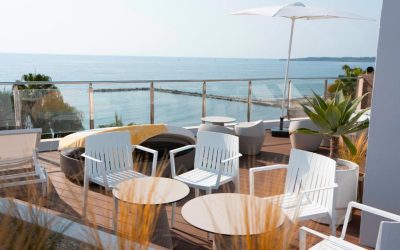
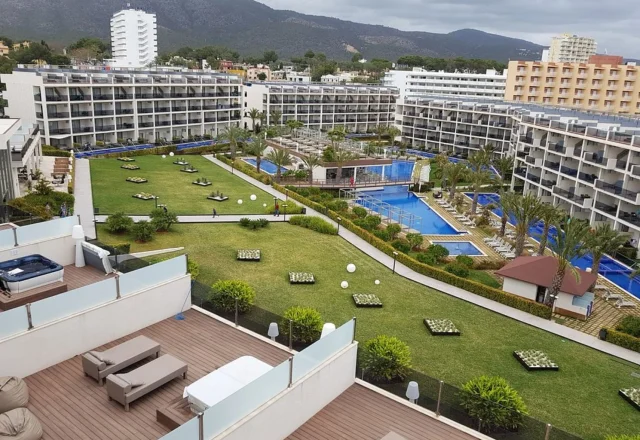
Choosing a “flat resort” in Mallorca is about more than avoiding hills. If you use a wheelchair, walk with difficulty, push a stroller, or simply want to avoid steep climbs, you need level pathways, step‑free access to key facilities and a resort area where the streets and promenades are easy to navigate.
This guide focuses on Mallorca resorts in areas consistently highlighted by accessibility specialists and wheelchair users for their flat terrain: Alcúdia/Playa de Muro, Cala Bona, Palmanova and Playa de Palma. It’s designed to help you quickly narrow down which resort and hotel style fits your mobility needs, budget and travel style.
Why you can trust this guide
- Personally curated Hotels are chosen by our team — not by an algorithm or the hotels themselves.
- No sponsored placements No hotel can pay to appear here or to rank higher.
- Updated for 2026 Checked and refreshed for the 2026 season.
- 6 hotels compared We reviewed 6 hotels before choosing this shortlist.
- Editor-reviewed Reviewed by an editor before publishing.
Best Flat Resorts in Mallorca By Traveler Type
- Best overall flat resort area: Alcúdia / Playa de Muro — long, flat beach with accessible infrastructure and promenade.
- Best for wheelchair users wanting beach access: Playa de Muro (various hotels) — certified accessible beach with adapted walkways and amphibious chairs.
- Best for seniors who like gentle strolling: Cala Bona — compact, low‑rise resort described as very mobility‑friendly.
- Best flat base close to Palma city: Playa de Palma / Can Pastilla — long, level seafront promenade linked to Palma.
- Best flat resort with strong public transport links: Alcúdia / Playa de Muro and Playa de Palma corridors — both served by accessible buses.
- Best for families with strollers: Palmanova — three sandy beaches backed by a flat promenade and easy seafront walking.
These are area‑level picks; individual hotel choices within each section below help you match terrain, facilities and budget.
Quick Comparison Table: Flat Resort Areas in Mallorca
| Resort Area / Example Hotels | Best For | Terrain & Layout | Beach / Promenade Access | Confirmed Accessibility Strengths* | Potential Drawback |
|---|---|---|---|---|---|
| Alcúdia / Playa de Muro (e.g. Iberostar Waves Playa de Muro, Aparthotel Playa Garden) | Wheelchair users, families | Largely flat coastal strip | Long, wide, accessible beaches; flat promenade in parts | Playa de Muro has UNE170001 accessibility certificate; amphibious chairs; adapted toilets and walkways | Can feel busy in peak summer; resort quite spread out |
| Cala Bona | Seniors, slower walkers | Very flat, compact fishing village resort | Small, wheelchair‑friendly beach and level seafront | Frequently recommended as one of the most mobility‑friendly spots on the island | Smaller beach area; fewer big‑resort facilities |
| Palmanova (e.g. Sol Palmanova, Meliá Calviá Beach area) | Families with strollers, mixed‑ability groups | Flat seafront backed by low‑rise hotels | Three sandy beaches linked by a flat promenade | Level boardwalk, easy access to cafes and services | Nearby Magaluf is livelier; some side streets may be busier |
| Playa de Palma / Can Pastilla (e.g. Meliá Palma Bay) | City‑plus‑beach stays, wheelchair users | Long, continuous, flat promenade towards Palma | Wide, gently shelving beach with accessible points | Multiple accessible bathing points in Palma; level routes along seafront | Close to airport flight path; urban feel in some sections |
| Cala Millor | Walkers, cyclists | Flat resort with long promenade | 1.8 km sandy beach, wide, flat seafront | Promenade divided into cycle and footpath; ramps for beach access | More exposed to wind at times; slightly farther from Palma |
| Puerto Pollença | Scenic, slower‑paced holidays | Mostly flat bayfront | Long, flat seafront with separate paths | Easy access to pine‑fringed beach and benches along the walk | Some side streets slope back from the bay |
*Accessibility strengths are based on beach and area infrastructure, not specific hotel room adaptations.
Introduction to Flat Resorts in Mallorca
If terrain is a deal‑breaker for you, Mallorca can be either very easy or surprisingly challenging. Mountain villages and clifftop coves look great on Instagram but can be tiring or unsafe if you rely on wheels or have reduced mobility.
Flat resorts in Mallorca tend to sit on wide bays with long promenades: think Alcúdia Bay, Palmanova, Playa de Palma and Cala Millor. These areas combine level walking, accessible beach infrastructure, and in several cases official assisted‑bathing services and certified accessible beaches.
Who Benefits From Flat Resorts?
Flat resort areas are especially helpful if you:
- Use a wheelchair or mobility scooter and want to minimise steep ramps and cambers.
- Have heart, lung or joint issues and need predictable, gentle walking surfaces.
- Travel with a stroller and prefer step‑free access to beaches, promenades and restaurants.
- Are planning a multi‑generation trip where some people are fit and active and others move more slowly.
Flat, continuous promenades also make it easier to split up and meet back at the hotel without worrying about hills or stairs.
Why Terrain Matters For Accessibility And Comfort
Even with an “accessible room,” a resort can still be exhausting if:
- The walk to the beach involves slopes or rough pavements.
- The main strip is on a gradient.
- There are steps between hotel facilities instead of ramps or lifts.
By contrast, areas like Playa de Muro and Cala Bona offer:
- Level promenades beside the sea.
- Ramps and boardwalks crossing the sand.
- Nearby services (shops, pharmacies, cafes) on flat ground.
The result is not just better wheelchair access, but less fatigue and more independence for anyone with mobility constraints.
Criteria For Selecting The Best Flat Resorts
There’s no official “flat resort” badge in Mallorca. Selection has to rely on terrain, beach infrastructure and consistent recommendations from accessibility specialists and mobility‑impaired travelers.
Terrain And Topography Assessment
For this guide, a “flat resort” area in Mallorca means:
- Mostly level ground across the central seafront zone.
- Flat or gently sloping promenades, suitable for wheelchairs and scooters.
- Minimal unavoidable stairs between hotel, pool, restaurant and street level.
- Wide pavements where wheelchairs and strollers can pass safely.
Areas like Alcúdia Bay, Cala Bona, Palmanova, Playa de Palma and Cala Millor match this profile more closely than hillier resorts or cliff‑backed coves.
Accessibility Features To Look For
Within those flat areas, suitable hotels tend to have:
- Step‑free or ramped main entrance.
- Lifts to all guest floors.
- Accessible or adapted rooms (wide doors, roll‑in or low‑threshold showers, grab rails) — where confirmed.
- Flat routes from room to reception, restaurant and pool.
- Ramps or lifts to pool areas; handrails at pool steps.
- Nearby accessible parking bays or drop‑off points.
Because accessible room details vary by property and are rarely standardised, always confirm exact features directly with the hotel before booking.
Top Flat Resort Areas And Example Hotels in Mallorca
Below you’ll find the strongest flat resort areas in Mallorca, with example hotels that are often highlighted on accessible‑travel platforms or major booking sites for disability‑friendly facilities. Room‑level details should be checked with each hotel.
1. Alcúdia & Playa de Muro – The Flat, Accessible All‑Rounder
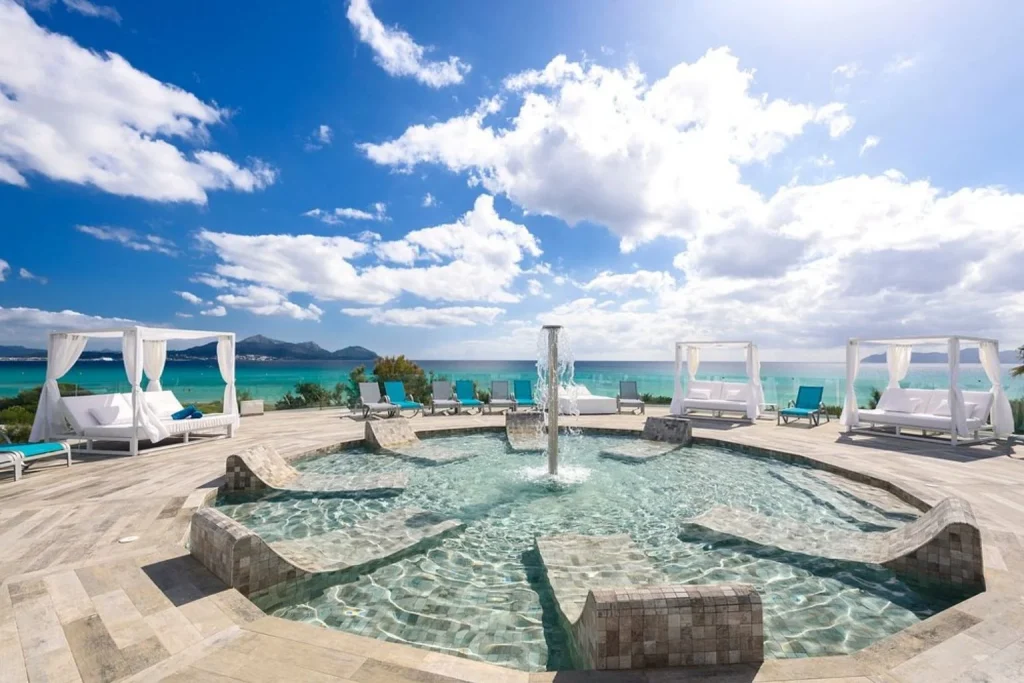
Alcúdia Bay, including Playa de Muro and Can Picafort, is repeatedly recommended by accessibility travel experts and wheelchair users as Mallorca’s most accessible stretch of coast. The terrain is broadly flat, the beach is long and wide, and Playa de Muro in particular has invested heavily in accessible infrastructure.
Why We Chose It
Playa de Muro holds an Accessibility Management System certificate (UNE170001) for its beach, with features such as:
- Amphibious chairs.
- Adapted toilets and changing areas.
- Reserved disabled parking.
- Walkways across the sand to assist wheelchair users reaching the sea.
The surrounding resort is mostly level, with a long promenade and good public transport connections.
Example hotels often highlighted in this area include:
- Iberostar Waves Playa de Muro – Appears on lists of accessible hotels and sits directly by the beach.
- Aparthotel Playa Garden – Recommended by wheelchair‑user travel writers for pool ramps, wheel‑in showers in some units, and assistance arranging accessible transfers.
Best For
- Wheelchair users wanting direct access to an accessible beach.
- Families with strollers who like long, flat seaside walks.
- Travelers relying on buses to move around the island, as Alcúdia and Playa de Muro are well served by accessible TIB services.
Potential Downsides
- The area is popular and can get crowded in school holidays, which may make promenade navigation slower.
- Resorts are spread along a long bay; distances between some hotels and old town Alcúdia are not walkable for everyone, even on flat terrain.
Key Highlights (Area‑Level)
- Long, mostly flat coastal strip along Alcúdia Bay.
- Playa de Muro beach with confirmed accessible infrastructure, including amphibious chairs and adapted paths.
- Public buses with ramps and wheelchair spaces serving Alcúdia and Playa de Muro.
- Mix of family hotels, aparthotels and larger resorts to choose from.
2. Cala Bona – Compact, Flat And Mobility‑Friendly
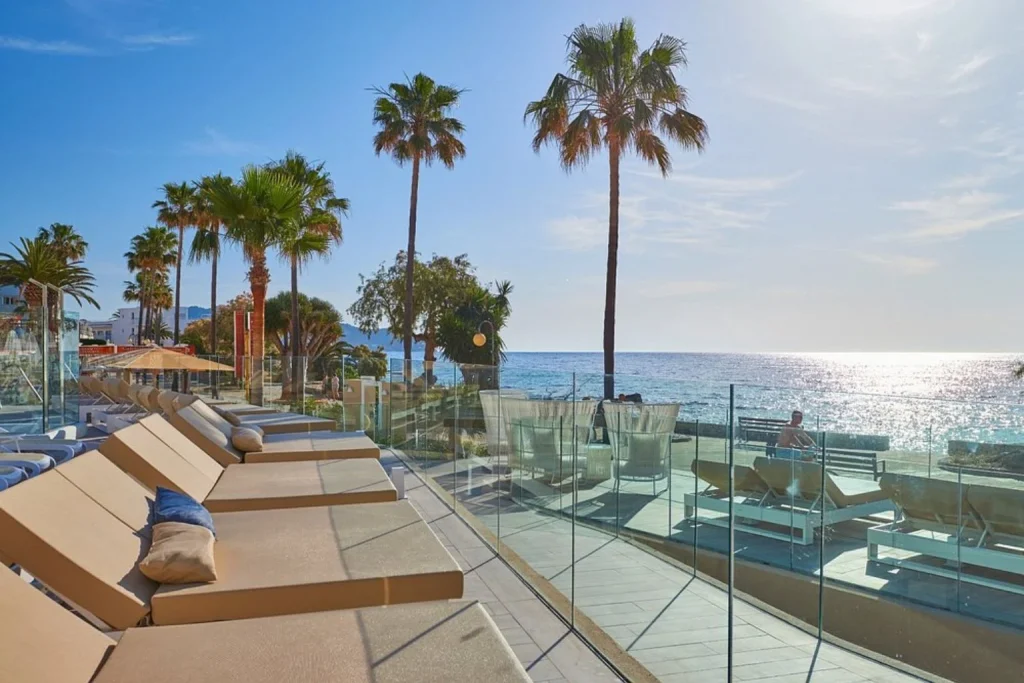
Cala Bona on the east coast is frequently described by experienced disabled travelers as one of the most mobility‑friendly spots on Mallorca. The resort has a small harbour, a modest beach and a flat waterfront.
Why We Chose It
Accessibility specialists and wheelchair‑user communities often point to Cala Bona’s:
- Flat, compact layout with most facilities close together.
- Seafront paths that are generally level and manageable with mobility aids.
- Presence of hotels offering disabled‑adapted rooms, as referenced by specialist agents.
The terrain makes everyday tasks like going for coffee or popping to the pharmacy far less tiring.
Best For
- Seniors or anyone who prefers shorter, flatter walks.
- Travelers who value an easy‑to‑navigate village feel over extensive nightlife or huge resorts.
- People using manual wheelchairs who want to conserve energy.
Potential Downsides
- The local beach is relatively small compared with bays like Alcúdia or Playa de Palma.
- Fewer large hotel complexes; choice may be more limited if you want extensive on‑site facilities or multiple pools.
Key Highlights (Area‑Level)
- Very flat main resort area.
- Waterfront paths suitable for wheelchairs and scooters according to accessibility reports.
- Short distances between hotels, harbour, cafes and shops.
- Quieter feel than some south‑coast resorts.
3. Palmanova – Flat Promenade For Families And Mixed Groups
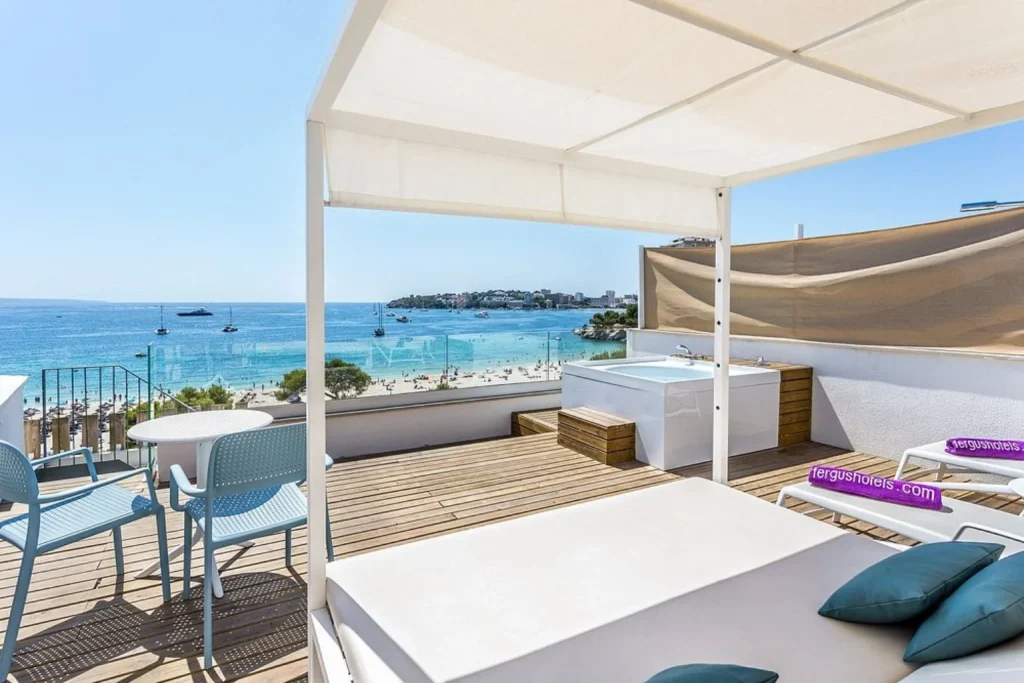
Palmanova sits just west of Palma and is known for three sandy beaches backed by a broad, flat promenade lined with low‑rise hotels, bars and restaurants.
Why We Chose It
The resort has:
- A long, seafront promenade that’s flat and suitable for strolling, wheelchairs and strollers.
- Easy access to shops and services without steep climbs.
- Hotels such as Sol Palmanova and other Meliá properties that appear on accessible‑travel and “accessible hotel” lists, suggesting a focus on step‑free access and lifts.
The nearby Palmanova–Magaluf area is often mentioned by mobility‑impaired visitors as easier to manage than more rugged parts of the island, as long as you stick to the main seafront belt.
Best For
- Families with strollers who want everything on the doorstep.
- Mixed‑ability groups where some want flat walks and others want nearby entertainment.
- Travelers who like a traditional resort feel with easy beach access.
Potential Downsides
- Adjacent Magaluf has a strong nightlife scene. Even if Palmanova itself is calmer, some noise and late‑night activity may spill over in high season.
- The beach can be busy in summer, which may make moving along the sand in a wheelchair harder, even with flat access to the promenade.
Key Highlights (Area‑Level)
- Three sandy beaches connected by a flat seafront walk.
- Boardwalk‑style promenade often highlighted for easy mobility.
- Range of beachfront and second‑line hotels, including properties flagged on accessible‑hotel platforms.
- Short transfer time from Palma and the airport by accessible taxi or bus.
4. Playa de Palma / Can Pastilla – Flat Corridor Linked To Palma City
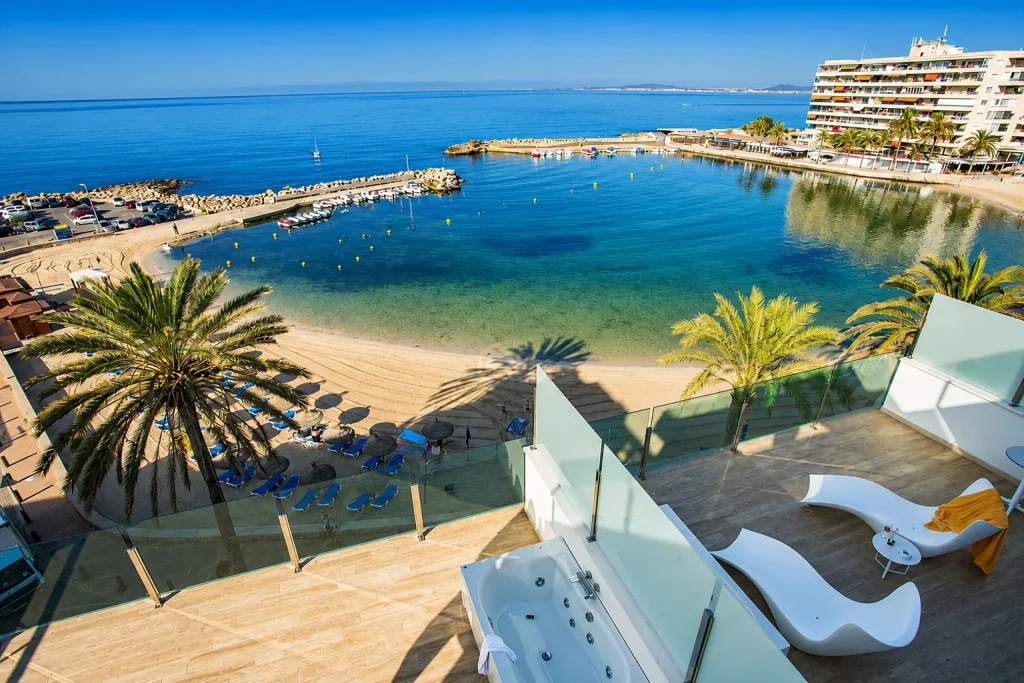
The Playa de Palma–Can Pastilla–El Arenal strip forms a long, continuous seafront corridor leading towards Palma. The promenade is wide and flat, shared by cyclists and pedestrians, and lined with hotels and cafes.
Why We Chose It
Several factors make this one of Mallorca’s more accessible zones:
- Continuous flat promenade connecting multiple resort sections.
- Playa de Palma’s accessible bathing points, which include amphibious chairs, adapted toilets and staff support at specific locations around Palma’s beaches.
- Good public transport into Palma with accessible city buses and metro services.
Meliá Palma Bay, set near Playa de Palma, is often singled out on accessible‑hotel platforms for:
- Level access routes to some rooms.
- Roll‑in showers in designated accessible rooms (where specified in hotel listings).
- Proximity to the accessible beach zone.
Best For
- Travelers who want a flat beach resort but also easy access to Palma’s city attractions by accessible bus or taxi.
- Wheelchair users looking for a long, level route for daily seaside rolls.
- Visitors who prioritise short airport transfers.
Potential Downsides
- Parts of Playa de Palma have an urban, high‑rise feel rather than a village atmosphere.
- Being close to the airport, aircraft noise is present in certain sections.
Key Highlights (Area‑Level)
- Long, flat seafront promenade suitable for wheelchairs, scooters and bikes.
- Multiple accessible bathing points operated by Palma authorities with amphibious equipment.
- Good accessible public transport links to Palma city.
- Mix of modern hotels and more traditional seafront properties.
5. Cala Millor – Flat Promenade With Dedicated Foot And Cycle Paths
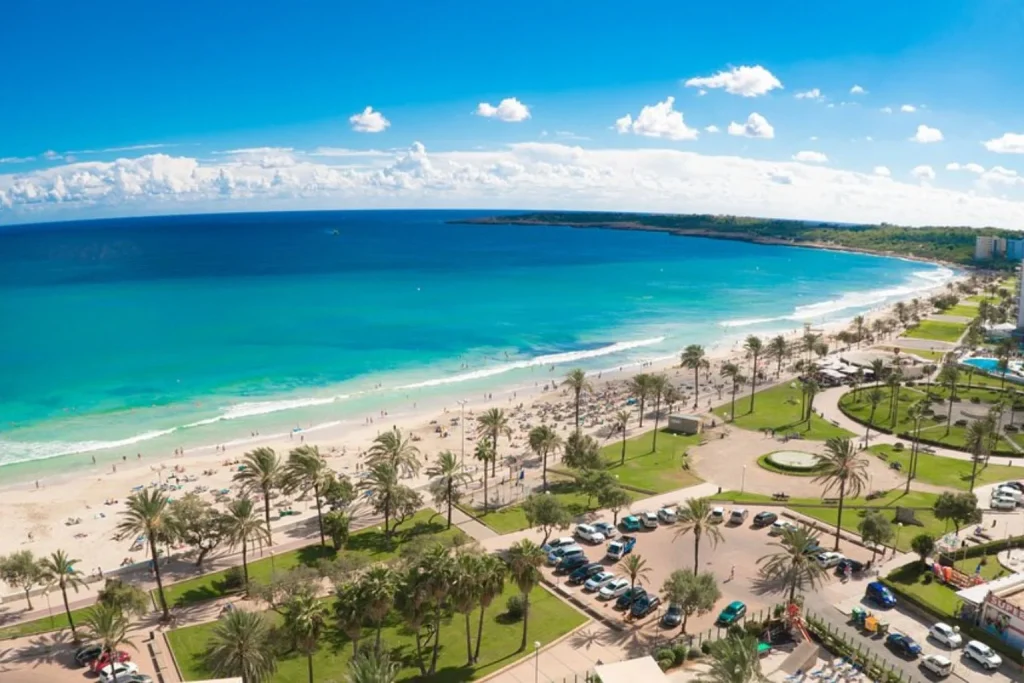
Cala Millor on the northeast coast combines a long, straight beach with a wide, level promenade that’s specifically divided for pedestrians and cyclists.
Why We Chose It
The beach and seafront setup is unusually clear and spacious:
- About 1.8 km of sandy beach, up to roughly 35 m wide in places.
- Flat promenade with designated lanes for walking and cycling, reducing conflicts and sudden obstacles.
- Ramps that provide step‑free access from promenade to beach in several spots.
Accessibility‑focused travel resources praise Cala Millor’s infrastructure and flatness, making it a strong alternative to Alcúdia or Playa de Palma.
Best For
- Wheelchair users and scooter users who like long, straight seafront outings.
- Walkers who prefer separated cycling and walking zones.
- Families wanting a classic resort with a predictable, level layout.
Potential Downsides
- The bay can be more exposed to wind and waves than some sheltered coves.
- It’s farther from Palma and the main airport corridor than south‑coast resorts, increasing transfer time.
Key Highlights (Area‑Level)
- Flat, well‑organised promenade along a long sandy beach.
- Ramps and first‑class tourist infrastructure around the seafront.
- Range of beachside hotels and apartments in level surroundings.
6. Puerto Pollença – Scenic Bay With Flat Seafront Walk
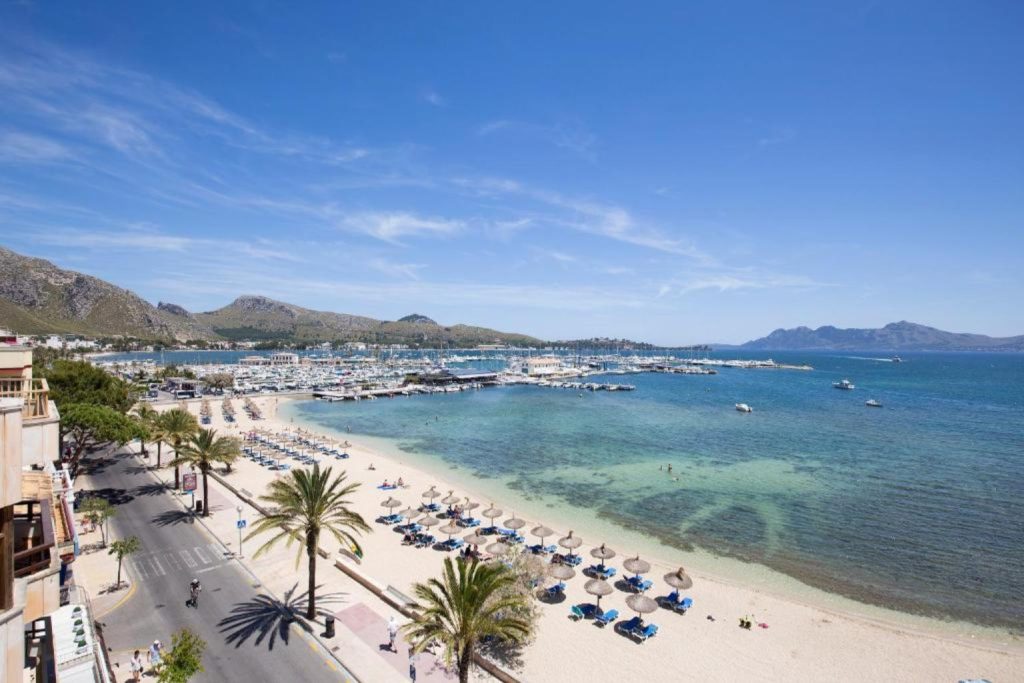
Puerto Pollença, at the northern end of the island, is known for its attractive, almost horseshoe‑shaped bay and relaxed feel. While hills rise behind the town, the seafront itself is largely flat.
Why We Chose It
Travel resources focusing on accessible Mallorca highlight Puerto Pollença’s:
- Long flat promenade, including separate foot and cycle sections in parts.
- Easy access to a pine‑fringed beach with benches and viewing points.
- Calm, scenic setting which suits slower walking and rolling.
Compared with Alcúdia, Puerto Pollença is a little smaller and feels more low‑key, while still giving you a level waterfront.
Best For
- Travelers who want a scenic, slower‑paced bay but still need mostly flat terrain.
- Seniors who enjoy daily level strolls with plenty of resting spots.
- Visitors planning accessible excursions into the surrounding area by taxi or adapted vehicle.
Potential Downsides
- Some streets set back from the seafront slope gently towards the hills, so choosing a seafront or near‑seafront hotel matters.
- Fewer big, all‑singing resort complexes than in Alcúdia Bay.
Key Highlights (Area‑Level)
- Flat seafront promenade with paths suitable for wheelchairs and strollers.
- Attractive bay views with shaded areas under pines in some sections.
- More tranquil atmosphere than some bigger south‑coast resorts.
7. Palma City & Surrounds – Urban Flat Stays With Beach Access Nearby
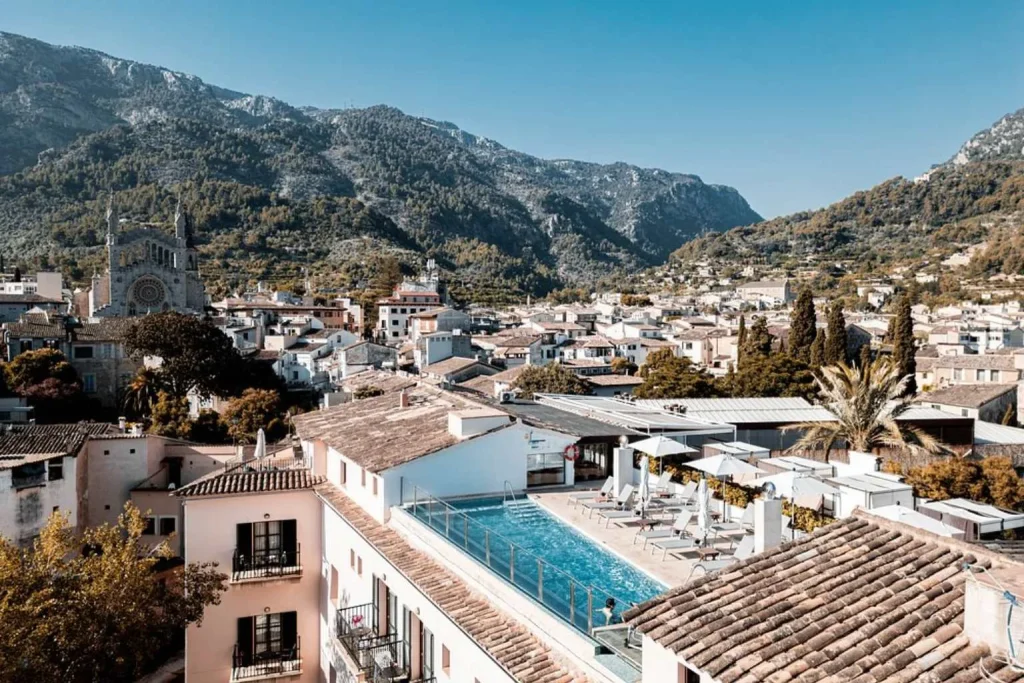
While not a classic “resort,” Palma and its immediate surroundings provide an urban, mostly flat base with accessible beaches and promenade segments nearby, especially towards Ciutat Jardí and Playa de Palma.
Why We Chose It
Palma and its coast benefit from concentrated public investment in accessibility:
- Accessible assisted‑bathing points across several city beaches, each with shaded areas, adapted showers and toilets, and amphibious chairs.
- Flat stretches of promenade linking Palma with coastal suburbs.
- Fully accessible metro and regional trains, plus buses with ramps and reserved wheelchair spaces.
Hotels such as Meliá Palma Bay bridge the gap between city break and beach stay, giving you level routes both towards the historic centre and to Playa de Palma’s flat seafront.
Best For
- Travelers who need flat routes but don’t want to stay in a pure beach resort.
- Visitors who plan to use accessible public transport extensively.
- Anyone combining medical appointments or business in Palma with some accessible beach time.
Potential Downsides
- City traffic and busier pavements mean more obstacles, even if terrain is flat.
- Some older buildings may have more steps or narrower doorways, so hotel choice is key.
Key Highlights (Area‑Level)
- Multiple accessible beach points with staff and equipment.
- Barrier‑free metro and improved train and bus announcments for visually impaired users.
- Flat urban promenades in specific coastal stretches.
Accessible Beaches And Flat Promenades Near These Resorts
Overview Of Flat, Accessible Beaches
Several Mallorca beaches stand out for confirmed accessible infrastructure combined with flat surroundings:
Playa de Muro (Alcúdia Bay)
- Certified with an Accessibility Management System (UNE170001).
- Offers amphibious chairs, transfer cranes, reserved disabled parking, adapted toilets and shaded areas.
- Flat access from promenade to sand via walkways.
Cala Millor
- Long sandy beach up to roughly 35 m wide.
- Access ramps and first‑class infrastructure for visitors.
- Flat, well‑maintained promenade behind the beach.
Palma’s Beaches (e.g. Playa de Palma, Ciutat Jardí)
- Six accessible assisted bathing points with staff, amphibious wheelchairs and adapted facilities.
- Level routes along stretches of the seafront.
These areas overlap strongly with the flat resort zones already described, which is why they rank so highly for terrain‑sensitive travelers.
Promenades And Local Sites With Easy Access
Beyond the beaches themselves, a few promenades are particularly suitable for wheelchairs, scooters and strollers:
- Playa de Palma – Can Pastilla – El Arenal corridor
A continuous, wide, paved seafront linking multiple resorts to Palma. Popular for cycling and strolling, with long flat distances.
- Alcúdia / Playa de Muro seafront
Sections of the bayfront have flat promenades or boardwalks, plus level access to shops and cafes.
- Cala Millor promenade
Clearly divided into cycling and walking lanes, helping with predictability and safety for slower walkers.
- Palmanova seafront
Flat boardwalk behind three beaches, easy for strollers and mobility aids.
- Puerto Pollença Pine Walk and seafront
A scenic, mostly flat route along the bay with benches and shade in places.
When choosing a hotel, look at how close it sits to these promenades and whether the route from the entrance to the seafront is step‑free.
Transportation Options For Mobility Needs in Mallorca
Getting around the island is often the part travelers worry about most. Mallorca’s transport system has become significantly more accessible by 2026.
Public Transport And Accessible Taxis
Urban and intercity buses (EMT & TIB)
- The majority of buses are low‑floor with ramps and reserved wheelchair spaces (for wheelchairs and smaller mobility scooters within weight limits).
- Visual and acoustic stop information exists on many routes, with planned improvements on intercity lines.
- Bus stops are gradually being upgraded with lowered curbs and better pavements.
Metro and regional trains (SFM and others)
- Palma’s metro is barrier‑free, with lifts and accessible stations.
- Regional trains are described as accessible, with ongoing upgrades to announcements and signage.
- Residents use an Intermodal card for free travel; visitors pay regular fares.
Accessible taxis
- Adapted taxis with ramps and space for wheelchairs operate on the island and can be ordered via app or phone.
- These are useful for door‑to‑door travel between flat resort areas and airport or attractions.
Public transport can work very well if you stay close to main routes in places like Palma, Playa de Palma or Alcúdia.
Renting Mobility‑Friendly Vehicles
If you prefer to control your schedule, renting an adapted car or van is another option:
- Local specialists offer vehicles with ramps and space for wheelchairs.
- Flat resorts like Alcúdia Bay, Palmanova and Cala Millor have parking close to hotels and beaches, often with marked disabled bays.
- Driving lets you access viewpoints and villages that may be harder to reach by bus, but always check parking and ramp availability at your destination.
For many mobility‑impaired travelers, a mix of adapted taxi for transfers and occasional public bus for short, flat rides within resort corridors works well.
Tips For Planning Your Stay At A Flat Resort in Mallorca
Flat terrain is only part of the story. You still need the right room, facilities and timing.
Booking Guide And Verifying Accessibility
- Shortlist by area first
Start with flat zones: Alcúdia/Playa de Muro, Cala Bona, Palmanova, Playa de Palma, Cala Millor or Puerto Pollença.
- Use filters, but don’t rely on them alone
On booking platforms, filter for “accessible” or “wheelchair‑accessible,” then click through to read how the hotel describes its facilities. Some only refer to ramps at reception, not rooms.
- Contact hotels directly
Ask very specific questions, such as:
- Is there step‑free access from the street to reception?
- Are all public areas (restaurant, pool, bar) accessible without stairs?
- How many accessible rooms do you have, and where are they located (floor, view)?
- Are bathrooms equipped with roll‑in (zero‑threshold) showers, shower seats and grab rails?
- Are bed heights and clearances suitable for hoists, if you use one?
- Request written confirmation
Once you book, ask the hotel to confirm in writing that your room type will have the required accessibility features. Accessible rooms are limited and can sell out.
- Check access from hotel to promenade
Even in a flat resort, verify if there are any steps at the hotel exit, pavement drops, or steep ramps between you and the seafront.
- Plan accessible transfers
Arrange adapted taxis or accessible transfers in advance, especially in peak summer when demand is high.
Best Time To Visit For Accessibility
- Late spring (May–early June) and early autumn (late September–October)
- Still‑warm weather and sea.
- Promenades and beaches are quieter, so it’s easier to move around with a wheelchair or scooter.
- Lower crowd levels at accessible bathing points.
- Peak summer (July–August)
- Very busy beaches and promenades can slow wheelchair movement and increase stress.
- Higher temperatures can be difficult for those sensitive to heat.
- Winter months
- Many resort hotels and some services close in smaller coastal towns.
- Palma and Playa de Palma remain more active year‑round, but beach services may be more limited.
If your main priority is relaxed, flat walking and easy access to accessible beach services, May–June and September–October are typically kinder on both crowds and climate.
How We Selected These Flat Resorts
Selection focused on flat resort areas and hotels supported by accessible‑travel resources, not on star ratings alone. The main criteria were:
- Terrain: Resorts where the central seafront and main streets are consistently flat or gently sloping.
- Beach infrastructure: Presence of ramps, boardwalks, amphibious chairs, adapted toilets and accessible bathing points.
- Promenade quality: Long, level promenades suitable for wheelchairs, scooters and strollers.
- Transport practicality: Feasible access via accessible buses, trains or adapted taxis.
- Accessibility recognition: Inclusion on accessible‑travel platforms or lists of accessible hotels and destinations.
- Suitability for real‑world needs: Feedback from wheelchair users and mobility‑focused travel experts describing these areas as manageable and family‑friendly.
We prioritised clarity and practicality for mobility‑sensitive travelers over simply listing the most famous resorts.
Why These Resorts And Not Others?
Many Mallorca resorts are attractive, but not all are suitable if terrain is your main concern.
Flat bays like Alcúdia, Playa de Palma, Palmanova, Cala Bona, Cala Millor and Puerto Pollença were chosen because they combine:
- Broad, level shoreline areas.
- Confirmed accessible beach infrastructure in at least some parts.
- A track record of being recommended within disabled‑travel communities.
Resorts that are hilly, built into cliffs, or rely heavily on steps for access to beaches and restaurants were not prioritised, even if individual hotels offer accessible rooms. The aim is to reduce daily physical strain, not just ensure you can reach your bedroom.
Within each area, example hotels were drawn from accessible‑hotel lists and expert recommendations, but the focus of this guide stays at resort and terrain level. Specific room configurations and exact accessibility standards vary, so personal verification with each hotel remains essential.
Frequently Asked Questions
What are the best flat resorts in Mallorca for wheelchair users?
The most consistently recommended flat areas for wheelchair users are Alcúdia / Playa de Muro, Cala Bona, Palmanova, Playa de Palma, Cala Millor and Puerto Pollença. Among these, Playa de Muro and Playa de Palma stand out for certified accessible beaches and assisted‑bathing points, while Cala Bona and Palmanova are praised for compact, flat layouts.
Are flat resorts in Mallorca more expensive?
Flat terrain itself doesn’t automatically raise hotel prices. However, fully adapted rooms are usually limited and, in many destinations, can be priced higher than standard rooms. In Mallorca, you’ll find a range from budget to upscale properties within each flat resort area, so overall cost depends more on brand, season and board basis than on terrain.
How can I check if a hotel in Mallorca is truly accessible?
Don’t rely solely on a single “wheelchair‑accessible” icon. Read detailed descriptions on booking sites, then email or call the hotel directly to confirm step‑free access, lift availability, room location and bathroom features. Ask for photos if possible and request written confirmation that you’ll receive an accessible room type, not just a standard room “on request.”
Which flat resort is best for seniors who like gentle walks?
Cala Bona and Puerto Pollença are strong choices for seniors who enjoy relaxed, level strolling and a quieter feel. Palmanova adds more services and entertainment but keeps a flat promenade, while Alcúdia / Playa de Muro works well if you want long, steady walks along a bigger bay.
Can families with strollers easily navigate these flat resorts?
Yes. Resorts like Palmanova, Playa de Palma, Alcúdia / Playa de Muro and Cala Millor have wide, flat promenades and pavements, making stroller use straightforward. Choosing a hotel close to the seafront reduces the need to cross busy roads or walk long distances with young children.
Are accessible beaches in Mallorca staffed?
Several Palma city beaches operate accessible assisted‑bathing points during set hours, with staff trained to help users into amphibious chairs and provide support. Playa de Muro offers amphibious chairs and adapted facilities; staffing and schedules can vary, so check locally or via municipal websites before you travel.
How easy is public transport for wheelchair users on the island?
Mallorca has made significant progress. Most city and intercity buses are low‑floor with ramps and wheelchair spaces, and Palma’s metro and regional trains are designed to be barrier‑free. Still, it’s smart to allow extra time, avoid very crowded rush‑hour services when possible, and mix public transport with adapted taxis for door‑to‑door journeys.
When is the best season to visit Mallorca for accessibility?
Late spring (May–early June) and early autumn (late September–October) balance warm weather with manageable crowds, which makes promenades, buses and accessible beaches easier to use. High summer brings more people and heat, adding challenges for some disabled travelers and seniors.
Conclusion: Choosing The Right Flat Resort In Mallorca
If you want flat terrain above all else, start by choosing the right area before the hotel. Alcúdia / Playa de Muro and Playa de Palma lead on accessible beach infrastructure and long, level promenades. Cala Bona and Puerto Pollença suit those who prefer quieter, compact settings, while Palmanova and Cala Millor hit a middle ground between easy strolling and classic resort facilities.
Once you’ve picked your area, confirm the exact accessibility details of any hotel you’re considering: room features, routes to the pool and promenade, and transfer options. Compare not just price and star rating, but also how much daily effort you’ll save simply by having flat, predictable ground under your wheels or shoes.
If you balance terrain, accessible beach services and transport practicality, Mallorca can be one of the easiest Mediterranean islands to enjoy without worrying about hills.

Alison is a travel writer with a passion for solo adventures, photography, and Mediterranean escapes. She enjoys exploring Mallorca’s scenic coastline, charming villages, boutique hotels, and hidden gems, sharing stories that inspire curious travelers to discover the island beyond the obvious. Her work has been featured in outlets including Forbes, CNN, Travel + Leisure, and Yahoo.