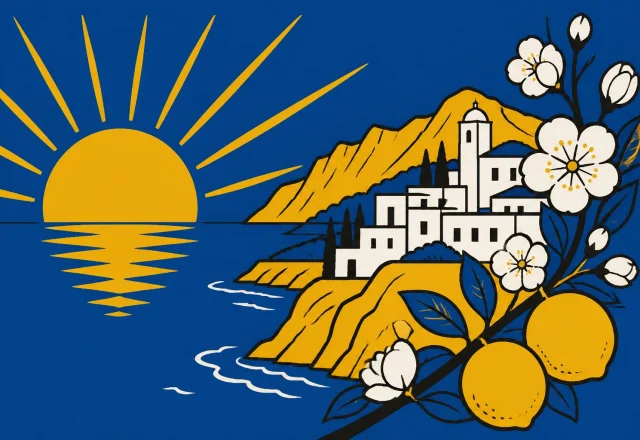
The first thing you notice is the scent. Almond blossoms, damp stone after a light shower, wild herbs warming on sunlit terraces. Spring in west Mallorca feels made for slow days and long walks.
Temperatures sit in that sweet spot, usually between 10–20°C, with bright skies and just enough cloud to keep the trails cool. The Serra de Tramuntana, a UNESCO World Heritage mountain range, turns soft and green, its dry-stone terraces threaded with flowers and clear air. Crowds are low, prices are gentler than summer, and locals are easing into the season.
If you’re wondering where to base yourself, the answer is simple: west is best for spring in Mallorca. The villages here, from Valldemossa to Deià and Sóller, are close enough to link in a single trip but different enough to feel like separate worlds. You get serious hiking, coastal views, artisan shops, fresh seafood, and quiet stone lanes, all within an hour of Palma.
Best Towns and Villages for a Spring Stay
You can easily stitch several of these into a 4–7 day itinerary. Pick one as a base, then day-trip to the others.
Valldemossa: Monastery, music, and mountain air
Valldemossa sits high in the hills, surrounded by green terraces and almond groves that burst into pink-white blossom from late January through March. Cobbled lanes, green shutters, and stone houses give it a postcard feel, but spring mornings keep it calm before the tour buses arrive.
The Cartoixa de Valldemossa (Valldemossa Charterhouse) is the main draw, once home to Frédéric Chopin and George Sand for a stormy winter. In spring, the cloister gardens feel softer, with fewer visitors and cool shade. Cafés around the main square serve coca de patata, a light, sweet potato bun, often paired with hot chocolate or almond milk.
Best time to visit: arrive before 10:00 for quiet streets and soft light for photos. Late afternoon works too, once day-trippers drift back toward Palma.
Deià: Artists, cliffs, and almond groves
A short, scenic drive from Valldemossa brings you to Deià, perched between mountain and sea. Painters, writers, and musicians have been coming here for decades, drawn by the light and the dramatic cliffs. In spring, the hills around the village are green, with trails lined by fennel, rosemary, and early wildflowers.
Small galleries and studios start their season in March and April, and it’s easier to get a table at restaurants that later fill with summer visitors. A path drops down to Cala Deià, a rocky cove where, on warm spring days, you might brave a chilly swim before eating simple grilled fish at a waterside chiringuito.
Best time to visit: late afternoon into sunset. The stone houses glow golden, and the coastal views are at their best.
Sóller: Oranges, a vintage train, and a lively square
Sóller sits in a fertile valley ringed by peaks, famous for oranges and lemons that hang heavy on the trees in late winter and early spring. It’s one of the easiest western spots to reach without a car, thanks to the vintage wooden train that runs from Palma. The ride takes you through tunnels and orchards, and in spring those orchards are fragrant and full.
The town itself centers on Plaça de la Constitució, a broad square in front of the modernist church, perfect for lingering over coffee or an afternoon vermut. Spring markets and small fairs bring extra life to weekends, and from here you can join hiking routes straight into the Serra de Tramuntana.
Best time to visit: mid-morning coffee in the square, then an afternoon walk in the valley while the air is still cool.
Fornalutx: Quiet stone lanes and flower-framed steps
Often called one of Mallorca’s prettiest villages, Fornalutx sits above Sóller, wrapped in steep, narrow lanes and stone steps. Spring suits it perfectly. Flower pots spill geraniums and climbing plants, and the mountain backdrop turns a deep green.
It’s a strong base if you care more about hiking than nightlife. Trails head out in several directions, with moderate walks across terraced hillsides and more demanding ascents for experienced hikers. The village feels calmer than Sóller and tends to stay that way, even as the season picks up.
Best time to visit: morning or early afternoon, followed by a late lunch outside at a simple restaurant overlooking the valley.
Port de Sóller: Sea views and evening strolls
Down the road from Sóller, Port de Sóller curves around a sheltered bay. Spring evenings here are hard to beat: soft light on the water, mountain silhouettes behind the harbour, and just enough people strolling the promenade to feel alive, without summer congestion.
Seafood restaurants line the waterfront, many already serving outside by March and April. You can walk the passeig marítim, ride the old tram that links the port with Sóller, or climb a short path up to viewpoints for sunset photos over the lighthouse.
Best time to visit: late afternoon into evening for a walk, drink, and dinner as the sky colours.
Esporles: Traditional life and local fairs
Less polished than Deià or Valldemossa, Esporles offers a more everyday glimpse of Serra de Tramuntana life. Stone houses, a main street lined with cafés, and easy access to rural trails make it a solid choice if you like things simple.
Spring often brings agricultural and artisan fairs, where local producers sell honey, olive oil, cured meats, and crafts. It’s a good place to try traditional pastries and to see how seriously Mallorcans take their home produce.
Best time to visit: weekend market days or fair days, checking dates in advance via local listings or the town hall website.
Orient: Tiny hamlet, big scenery
Tucked in a high valley, Orient is tiny, just a cluster of stone houses surrounded by green fields, orchards, and steep slopes. In spring, it feels almost Alpine, with fresh grass, blossom, and cooler air than the coast.
The village is a launch point for several spring hiking routes, including walks past waterfalls that run fuller at this time of year, and through mixed woodland scented with pine and wild herbs. It’s peaceful, with only a few places to stay or eat.
Best time to visit: clear days in March–May, ideally late morning to catch the sun once the valley has warmed.
Llucalcari and other small gems
Between Deià and Sóller lies Llucalcari, a tiny hamlet clinging to the hillside above the sea. A path leads down to a rocky shore where some visitors still follow the old tradition of coating themselves in local clay before washing it off in the sea.
There are similar tiny clusters scattered along the western hills, often reached by narrow lanes. Spring is when they feel their best: less traffic, more birdsong, and views still unobstructed by summer haze.
Outdoor Activities and Hiking Adventures
Spring is prime time for Serra de Tramuntana hiking and cycling. Temperatures are kinder than summer, trails are green, and wildflowers bring colour to the dry-stone terraces.
Classic hiking: GR221 Dry Stone Route segments
The GR221 (Ruta de Pedra en Sec) runs roughly along the spine of the Serra, linking many of the villages mentioned above. You don’t need to commit to all of it to enjoy the best sections in spring.
Good day segments in the west include:
- Valldemossa to Deià: Terraced olive groves, farm tracks, and sea views toward the north coast. In spring, you pass meadows of yellow and purple flowers.
- Deià to Sóller: A softer route with gentle ups and downs, passing farmhouses and stone walls, ideal when the sun isn’t too strong.
- Sóller to Port de Sóller via the hills: A half-day loop that gives you valley, mountain, and sea in one go.
Paths can be stony and, after rain, slippery. Decent hiking shoes are non-negotiable.
Coastal walks and birdlife
West Mallorca’s coast mixes steep cliffs with hidden coves. In spring, you get clearer views and more bird activity, including migratory species using the island as a stopover.
Popular options include:
- Deià to Cala Deià and onward along the coast, with dramatic sea cliffs and occasional viewpoints perfect for photography.
- Trails near Port de Sóller, where you can walk toward lighthouses and quieter coves, watching seabirds and, with luck, dolphins in the distance.
Take a windproof layer. Even when the sun is warm, the sea breeze can cool quickly, especially in exposed spots.
Mountain peaks and panoramic views
If you’re fit and comfortable with more demanding routes, spring is ideal for higher peaks. Colder winter winds have eased, yet heat isn’t as punishing as in July or August.
Highlights include:
- Puig de Sóller: Reachable via routes from the valley, with broad views over orchards, the town, and out toward the sea.
- Other nearby ridges and cols that give you classic Serra de Tramuntana scenery: terraced slopes, limestone cliffs, and small stone huts.
Always check local route descriptions, respect private land, and avoid tackling exposed summits on days with fog or rain.
Cycling: Valleys and mountain passes
Cyclists love west Mallorca for its mix of gentle valley roads and challenging climbs. Spring brings cooler air and calmer roads compared with peak summer and autumn training camps.
You’ll find bike rentals in Sóller and Port de Sóller, with road bikes, e-bikes, and hybrids available. Typical spring-friendly routes include:
- Valley loops around Sóller and Fornalutx, passing orchards and small farms.
- More demanding ascents toward mountain passes that reward you with big views and long descents.
Leave early, both for cooler temperatures and quieter roads. Drivers are used to cyclists, but visibility is better when the sun is higher.
What to pack for spring adventures
For hiking and cycling in west Mallorca’s spring, plan for variety:
- Layered clothing: base layer, light fleece or thin sweater, and a packable waterproof.
- Sun protection: high-factor sunscreen, cap, and sunglasses. The spring sun is stronger than it feels.
- Proper footwear: hiking shoes or boots with grip; no flimsy sandals on stony paths.
- Small first-aid kit and enough water, especially on longer routes.
- Offline maps or a GPS app, plus a paper backup if you plan more remote trails.
Start longer hikes in the morning to catch cooler air and lower UV, and finish before dusk.
Springtime Events and Local Culture
The west of Mallorca doesn’t just look good in spring; it feels more alive. Fields are worked, festivals start to appear on village calendars, and religious celebrations bring processions and music.
Almond blossom season and related events
The almond blossom season typically runs from late January to early March. While the biggest dedicated almond festivals often happen elsewhere on the island, west Mallorca still lives by the rhythm of these trees.
You’ll see:
- Roads lined with flowering almond orchards, especially in valleys and near rural estates.
- Local cafés and bakeries featuring almond-based drinks and sweets more prominently.
- Occasional small events or market stalls celebrating local nuts, oil, and honey.
For specific almond blossom fairs or themed days, check regional tourism calendars.
Markets, fairs, and artisan events
Spring brings back open-air markets and fairs after quieter winter months. In towns like Esporles, Valldemossa, and Sóller you might find:
- Agricultural fairs with livestock displays, farm machinery, and stalls of cheese, olives, and cured meats.
- Artisan markets selling ceramics, leather goods, textiles, soaps, and jewellery, often made in small local workshops.
- Occasional food-focused events highlighting Mallorcan sausage, sweets, or seasonal produce.
Dates vary each year, so confirm closer to your trip via local tourism sites or town hall pages. Many fairs fall on weekends and can be pleasantly busy without the oppressive crowds of mid-summer.
Easter and religious traditions
If you visit around Easter (Semana Santa), expect processions, church services, and some business closures on key days. Towns such as Sóller and Valldemossa host:
- Evening processions with hooded brotherhoods carrying religious statues through narrow streets.
- Special pastries and sweet breads in bakeries linked to Holy Week.
- A quieter, reflective atmosphere on Good Friday and Easter Sunday, especially in smaller villages.
Plan ahead for those days: book restaurants, check supermarket hours, and avoid long car trips during key procession times inside larger towns.
Crafts, workshops, and local makers
Spring is when many artisans reopen studios and start offering workshops again, especially in artsy spots like Deià and Sóller. Depending on who’s around that year, you can look for:
- Painting or sketching sessions in village squares or on the coast.
- Pottery and ceramics studios where you can see work in progress or buy directly from the maker.
- Small weaving, leather, or jewellery workshops open by appointment.
If a particular craft interests you, research and contact studios ahead of time, as opening hours can be flexible.
Spring Food and Drink: What to Eat in West Mallorca
Mallorcan cooking suits spring. It leans on vegetables, legumes, olive oil, and moderate portions of meat and fish, with plenty of dishes that feel rich but not heavy.
Seasonal dishes and local flavours
Look for:
- Spring lamb: Roasted with potatoes and herbs or braised with seasonal vegetables.
- Artichokes and broad beans: Often appearing in stews, grilled as a side, or mixed into rice dishes.
- Frit mallorquí: A traditional fry-up of meat (sometimes lamb or pork), liver, potatoes, and vegetables with plenty of fennel and herbs.
- Sopes mallorquines: A rustic, brothy dish thickened with thin bread slices and loaded with greens and cabbage, still popular in cool spring weather.
- Trampó and other salads: Simple tomato, onion, and pepper mixes start to return as the weather warms.
Sweet things lean heavily on almonds:
- Gató d’ametlla: A light almond cake, often served with ice cream.
- Almond ice cream itself, especially good in Sóller.
- Ensaïmada: Spiral pastry sometimes filled with cream or pumpkin jam, eaten year-round.
Where and how to eat
The west is full of places where food tastes better simply because of the view. Aim for:
- Terraces in Deià, Valldemossa, and Fornalutx with mountain vistas.
- Sea-facing restaurants in Port de Sóller, ideal for grilled fish, garlic prawns, and paella.
- Simple village bars that serve tapas or a menú del día, a set lunch with starter, main, dessert, and often a drink.
Ask for local products:
- Olive oil from the Serra de Tramuntana.
- Sobrasada, the island’s soft cured sausage, served grilled or spread on bread.
- Cheeses and cured meats from small producers inland.
Local wines and drinks
Mallorca’s wine scene has grown quietly but steadily. From a spring perspective:
- White and rosé wines suit terrace lunches and evenings by the sea.
- Reds from island DOs pair well with lamb and heartier dishes.
Beyond wine:
- Palo: A local aperitif often mixed with soda.
- Herbes mallorquines: Herb liqueur sipped after meals, dry, sweet, or somewhere in between.
- Fresh orange juice in Sóller, squeezed from local oranges, is almost compulsory.
Where to Stay: Spring-Friendly Bases in the West
Accommodation in west Mallorca runs from high-end boutique hotels to restored farmhouses. Spring has two big advantages: better value than July–August, and a calmer atmosphere.
Boutique hotels in stone villages
In villages like Valldemossa, Deià, Sóller, and Fornalutx you’ll find small hotels set in old stone houses, often with:
- Terraces or small gardens filled with orange trees and flowers.
- Rooms with shuttered windows, cool stone floors, and mountain or village views.
- Breakfasts featuring local bread, cheese, cured meats, and homemade jams.
These are ideal if you want to walk out the door straight into cafés, small shops, and evening strolls.
Rural retreats and restored farmhouses
If you prefer quiet nights and starry skies, consider fincas (rural estates) scattered around the valleys and hills. Many have been converted into small hotels or guesthouses, with:
- Pools opening from spring onwards, often set among olive or almond trees.
- On-site restaurants serving farm-based or locally sourced ingredients.
- Trails starting nearby, so you can walk without driving first.
They’re especially appealing during the almond blossom period, when surrounding fields turn pastel for a few weeks.
Sea-facing stays in Port de Sóller
In Port de Sóller, several hotels and apartments sit right on or just behind the promenade. For a spring trip focused on sea air and easy access to both beach and hills, this is hard to beat. You can:
- Watch sunrise or sunset from your balcony or a shared terrace.
- Walk to restaurants without touching the car.
- Ride the tram into Sóller for markets or train connections.
Booking tips for spring 2026
For April and May, plan ahead, especially around Easter and long weekends:
- Book popular village hotels several months in advance if you want specific properties or sea views.
- Midweek dates usually offer better availability and sometimes lower rates.
- Check opening dates for rural retreats and smaller hotels; a few only open from March or April each year.
Practical Tips for Spring in West Mallorca
A bit of planning makes it easier to enjoy the west without stress.
Getting around: car, train, and buses
You can reach the west several ways:
- Car rental: Easiest option for exploring small villages, trailheads, and rural spots. Roads are winding but generally well maintained; take it slowly, especially on mountain sections.
- Vintage train to Sóller: Leaves from Palma and is an experience in itself. In spring it can still fill up, so arrive earlier for popular departure times. From Sóller you can connect by tram to Port de Sóller.
- Local buses: Connect Palma with Valldemossa, Deià, Sóller, and some other villages, but schedules may be limited, especially on weekends and outside peak dates. They work for day trips if you plan your timings carefully.
If you rely on public transport, base yourself in Sóller, Port de Sóller, or Valldemossa for the best connections.
What to pack for west Mallorca in spring
Pack for variety rather than extremes:
- T-shirts and light shirts for daytime.
- A warmer layer and a light jacket or fleece for evenings and higher altitudes.
- Comfortable walking shoes or trainers for village exploring; hiking shoes for trails.
- Light scarf or buff for wind and sun.
- Small umbrella or compact rain jacket in case of showers.
- Swimwear if you’re brave or lucky with warm days, plus a quick-dry towel.
Laundry options are common in apartments and some hotels, so you can pack lighter and wash mid-trip.
Handling spring weather
Spring weather can change quickly but usually swings between bright sun and passing cloud or showers.
Keep in mind:
- Mornings can be cool, especially higher up. Dress in layers so you can adjust as the day warms.
- Showers often pass fast. Don’t cancel a whole day’s plans because of a grey start.
- Trails can be muddy or slippery after rain, particularly on shaded stone paths. Give them a bit of time to dry or tread carefully.
Always check a local forecast if you plan longer hikes or mountain routes.
Crowds, timing, and safety on the trails
Even though west is best for spring in Mallorca if you want fewer crowds, some spots still get busy.
To keep things peaceful:
- Visit Valldemossa and Deià early in the day or later in the afternoon.
- Start popular hikes before 9:00, especially on weekends and holidays.
- Choose weekdays for the most in-demand restaurants and terraces.
On safety:
- Tell someone your planned route if you’re going into the mountains.
- Stick to marked paths; the Serra’s limestone can be confusing off-trail.
- Carry enough water and snacks. Shops and fountains aren’t guaranteed along every route.
- Respect signs about private land, fire risk, and seasonal restrictions.
Why the West Wins for Spring in Mallorca
You get a lot of Mallorca for a relatively small area here. Blossoming almond trees, UNESCO-listed mountains, stone villages with cafés under orange trees, and bays where the sea still feels wild rather than crowded. The combination of mild weather, open trails, starting festivals, and calmer prices makes west Mallorca stand out from the rest of the island between late winter and early summer.
If you’re planning a spring 2026 trip, start by picking a base in Sóller, Port de Sóller, Valldemossa, Deià, or Fornalutx. Then layer in a couple of hikes on the GR221, a ride on the vintage train, at least one sunset in Port de Sóller, and a lazy lunch on a terrace with a glass of local wine.

Alison is a travel writer with a passion for solo adventures, photography, and Mediterranean escapes. She enjoys exploring Mallorca’s scenic coastline, charming villages, boutique hotels, and hidden gems, sharing stories that inspire curious travelers to discover the island beyond the obvious. Her work has been featured in outlets including Forbes, CNN, Travel + Leisure, and Yahoo.