Palma’s streets fall silent, then a drumbeat starts and 15 brotherhoods move through candlelit alleys.
Two hours later, you’re eating warm rubiols in a square scented with orange blossom.
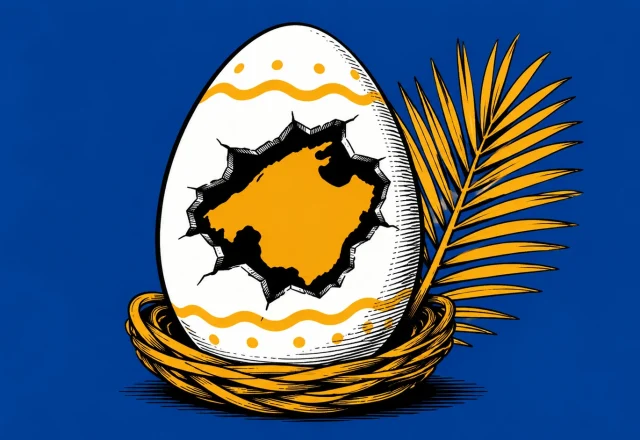
That’s Easter in Mallorca: faith, food, sea air and spring sunshine, all packed into one week.
Easter Atmosphere in Mallorca
By late March and early April, Mallorca has shaken off winter. Daytime temperatures usually sit between 16–22°C (60–72°F), cool in the shade, warm in the sun, and ideal for walking between churches, markets and café terraces.
The big summer crowds haven’t landed yet, so you get a sweet spot: lively but not hectic. Coastal resorts start waking up, while inland villages feel busy only around processions and local feasts. Almond trees have already flowered, fields are bright green, and the Tramuntana mountains still hold a touch of crisp air, perfect for hikes after a hearty Easter lunch.
Semana Santa: Holy Week in Mallorca
Holy Week (Semana Santa) runs from Palm Sunday to Easter Sunday and shapes the whole rhythm of Easter in Mallorca. Every town participates, but Palma, Sóller, Inca and Pollença offer the most intense experiences.
Key Semana Santa Dates for 2026
- Palm Sunday – March 29, 2026
The week opens with the blessing of palms and olive branches. In Palma, families crowd into the Cathedral (La Seu) holding woven palms and tiny olive bouquets, then spill into the streets for the first processions.
- Maundy Thursday – April 2, 2026
The biggest night. Palma’s main procession stretches late into the evening, with hooded penitents (Nazarenos), incense, slow drumbeats and floats (tronos) showing scenes from the Passion.
- Good Friday – April 3, 2026
Towns like Sóller, Inca and Pollença hold moving, quieter processions, often by candlelight. Many visitors pick one village and stay all evening, alternating between churches, bars and the main square.
- Easter Sunday – April 5, 2026
The mood flips from sombre to joyful. Morning masses are followed by family gatherings and long lunches in homes, fincas and restaurants across the island.
Where to See the Best Processions
Palma
Palma hosts the largest processions on the island, with up to 15 brotherhoods, each with distinct colours, banners and music. Expect tightly packed old streets, eerie silence broken by brass bands, and locals watching from balconies above.
Sóller
Sóller’s processions wind through a beautiful valley town backed by mountains. Traditional bands, echoing in the narrow streets, give the ceremonies a strong, almost cinematic atmosphere.
Pollença and the “Dance of Death”
Pollença adds a striking ritual: the Dansa de la Mort (Dance of Death), in which skeleton-clad figures symbolising death confront those representing life. It’s stark, symbolic and very Mallorcan, drawing visitors who plan their trip around it.
Holy Week here is intensely Catholic but also social. People meet after processions for hot chocolate, pastries or late tapas, children run around plazas in their best clothes, and cafés stay open long after midnight.
Easter Food in Mallorca: What to Eat and Where
Easter in Mallorca tastes of lamb, fennel, olive oil and sugar-dusted pastries. Bakeries fill with seasonal specials in the weeks leading up to Holy Week, and many restaurants create set menus around island recipes.
Must-Try Easter Pastries
- Rubiols
Crescent-shaped pastries with delicate, slightly crisp dough. Classic fillings include cottage cheese, pumpkin jam (cabell d’àngel) or fruit jam. Locals buy them by the box to share across the week.
- Panades
Small, lidded pies with a thick, hand-pinched crust. Traditionally filled with pork or lamb, peas and a hint of seasoning. You’ll see long trays of them in every bakery a few days before Good Friday.
- Mona de Pascua
A sweet, decorated cake or bread often topped with eggs or chocolate, eaten especially on Easter Monday. Families carry them out to parks, beaches or rural picnic spots.
Look for old-school bakeries in Palma’s Old Town, Inca, Manacor and Pollença where generations have used the same recipes.
Classic Easter Dishes
- Roast lamb (xot a l’herba)
A slow-roasted lamb dish scented with rosemary, garlic and local herbs. Often served with potatoes and seasonal vegetables. Many restaurants highlight it on Easter Sunday menus.
- Frito Mallorquín
A rich sauté of lamb offal (sometimes pork), potatoes, peppers and fennel. Strong, rustic and very traditional around Easter and springtime. If you enjoy bold flavours, order it at least once.
- Seafood during Lent
In the lead-up to Easter Sunday, fish like grouper, red mullet and sea bream appear more frequently on menus, grilled or baked with olive oil, garlic and lemon.
Modern Easter Dining
Many hotels and restaurants design special Holy Week and Easter Sunday menus that pair these traditional dishes with lighter starters, local wines and creative desserts. Easter brunch is also growing: expect spreads with ensaimadas, rubiols, cheeses, cured sausages, eggs, salads and fresh fruit.
Reserve ahead for:
- Easter Sunday lunch, especially in Palma, Port de Pollença, Sóller and Santa Maria.
- Tasting menus in inland finca hotels, where chefs often reinterpret panades and lamb in more contemporary ways.
Festivals, Markets and Family Fun
Easter in Mallorca isn’t only about processions and long meals. Families find plenty to do, both organised and informal.
Easter for Kids: Hunts and Workshops
Many resorts and rural hotels set up:
- Easter egg hunts in gardens or by the pool.
- Craft workshops where children decorate eggs, make palm crosses or shape simple rubiols.
Community centres in larger towns sometimes run kids’ mornings with crafts and games, often advertised on local noticeboards or municipal websites.
Concerts and Cultural Events
Churches in Palma, especially the Cathedral and Santa Eulàlia, often host:
- Choral concerts featuring sacred music.
- Organ recitals on evenings around Maundy Thursday and Good Friday.
They give you a quieter way to experience Holy Week ambience, away from crowded streets.
Easter Markets
Small Easter markets pop up in main towns:
- Stalls with ceramics, textiles, hand-made candles and religious items.
- Tables selling panades, rubiols, honey, olive oil and cheeses.
Palma, Alcúdia, Inca and Pollença are good bets for combining markets, lunch and a stroll through historic centres.
Practical Tips for Visiting Mallorca at Easter
A little planning helps you enjoy the celebrations without getting caught out by holiday closures.
Openings, Closures and Reservations
- Restaurants
Many seasonal venues open from early April. Book in advance for:
- Maundy Thursday dinner if you want to eat in Palma after the main procession.
- Easter Sunday lunch, especially at rural restaurants and seafront spots.
- Shops
Expect closures or reduced hours on:
- Maundy Thursday (April 2, 2026)
- Easter Sunday (April 5, 2026)
- Easter Monday in some areas
During the preceding week, Palma’s shops generally keep normal hours.
- Banks and services
Banks and some offices close on the main public holidays, so sort out cash or any admin earlier in the week.
Getting Around
- Public transport
Extra bus and train services usually run during Holy Week, especially on routes linking Palma with Sóller and Inca. Check timetables a few days before, as evening schedules can change around processions.
- Car rental
A car makes rural processions, small villages and hikes far easier to access. Book ahead: Easter sits in the first wave of the island’s busy season.
- Around processions
Streets in historical centres close to traffic during the main events. Park outside the old town and walk in, or use public transport to avoid long searches for spaces.
Hiking and Outdoor Adventures at Easter
Spring is prime hiking season in Mallorca. Trails are green, flowers are out, and you won’t be battling midsummer heat.
Recommended Easter Hikes
- GR-221 Dry Stone Route (Ruta de Pedra en Sec)
A long-distance trail across the Tramuntana mountains. For a day hike:
- Walk between Valldemossa and Deià for stone terraces, sea views and classic mountain villages.
- Or choose the Pollença to Lluc stage for a stronger workout and more remote feel.
- Puig de Maria (near Pollença)
A short, steady climb to a hilltop sanctuary with sweeping views over Pollença, the bay and Formentor. Good before or after Pollença’s Holy Week activities.
- Son Bauló to Son Serra de Marina
A relaxed coastal walk on the northeast coast with sandy stretches, low dunes and constant sea views. Ideal for families and casual walkers.
- Cap de Formentor
The northern tip of the island offers dramatic cliffs, viewpoints and shorter walks to lookouts. Check any road access restrictions in advance, as the area sometimes limits car traffic.
Pack layers: evenings and high altitudes feel cool even when the coast is warm.
Where to Stay: Rural Hotels, Fincas and Retreats
Easter is a perfect excuse to try Mallorca’s rural side. Instead of a high-rise beach hotel, consider stone farmhouses, small estates and wellness retreats.
Good Areas to Base Yourself
- Tramuntana Finca Hotels
Traditional fincas with thick stone walls, courtyards and gardens. Many offer:
- Half-board with Easter menus.
- Easy access to trails and nearby villages with processions.
- Countryside near Pollença and Sóller
Boutique rural stays here combine:
- Mountain scenery with quick drives to the coast.
- Short travel times to Pollença’s Dance of Death or Sóller’s processions.
- Wellness Retreats
Some countryside hotels run yoga, meditation and “spring reset” programmes, pairing them with local food and optional participation in Holy Week events.
If you want quiet nights, check distance to town centres holding late-evening processions or concerts before you book.
What Makes Easter in Mallorca Different
Mallorca shares Catholic Holy Week traditions with mainland Spain, but the feel is distinct.
Three things stand out:
- Scale vs intimacy
Palma gives you processions with real grandeur, yet 20 minutes away you can attend a village ceremony where almost everyone knows each other.
- Local rituals
Events like Pollença’s Dance of Death add strong, island-specific character. You’re not just seeing a copy of Seville or Málaga’s style.
- Food and landscape together
You can eat panades in a busy bar after a procession, then be walking a quiet coastal path or sitting under an olive tree within an hour.
The result feels like a genuine cultural immersion wrapped in early-spring island calm.

Alison is a travel writer with a passion for solo adventures, photography, and Mediterranean escapes. She enjoys exploring Mallorca’s scenic coastline, charming villages, boutique hotels, and hidden gems, sharing stories that inspire curious travelers to discover the island beyond the obvious. Her work has been featured in outlets including Forbes, CNN, Travel + Leisure, and Yahoo.