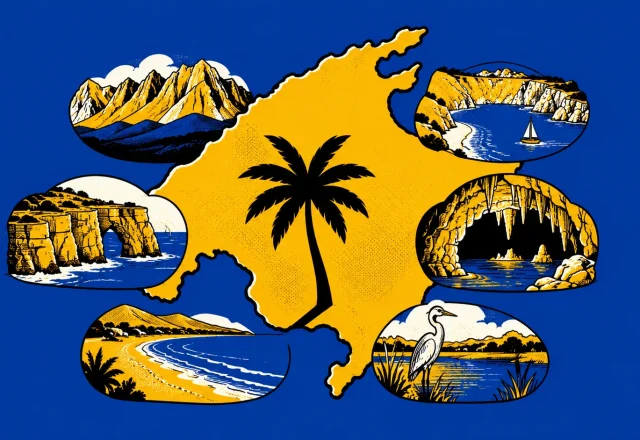
Skip the crowded promenade and rental-car queues for a moment. Mallorca’s best side still hides in cliffs, caves, wetlands, and wild coves where development hasn’t taken over. If you want to see the island people rave about years later, you head there.
Below you’ll find six standout natural attractions that show Mallorca at its most impressive, with 2026 updates, practical tips, and ideas for low‑impact visits.
1. Coastal natural parks: Mondragó & S’Albufera
Two protected areas, two very different moods: one coastal and covey, one watery and endless.
Mondragó Natural Park sits on the southeast coast, near Santanyí. People come for the white-sand coves of Cala Mondragó and S’Amarador, but the real magic sits behind the beaches: dunes, wetlands, and pine forest threaded with short family‑friendly trails. Birdwatchers often spot Eleonora’s falcon hunting over the cliffs in late summer, and the coastal paths give you big views without serious elevation.
Up north, S’Albufera de Mallorca Natural Park spreads out behind Playa de Muro. It’s the island’s largest wetland, with hides, boardwalks, and long, flat tracks through reeds and lagoons. More than 200 bird species have been recorded here, from herons and egrets to marsh harriers and seasonal rarities. The park has tightened invasive‑species control and habitat restoration work in 2026, so some zones may be temporarily off‑limits.
How to visit in 2026
- Mondragó: Parking near the main entrances can fill by late morning in high season. Consider arriving before 9:30 am or using local buses from Santanyí.
- S’Albufera: Access is on foot or by bike from the main road; bring binoculars and mosquito repellent outside winter.
2. Uninhabited islands and marine reserves: Sa Dragonera & Cabrera
Want Mallorca without hotels in the background? You need a boat.
Sa Dragonera lies just off the west coast, opposite Sant Elm. The long, dragon‑shaped islet is a protected natural park, home to an endemic wall lizard and nesting seabirds. Once you step onto the little jetty, you’re on foot: four signed trails lead to lighthouses and viewpoints, with cliffs dropping into transparent water. On calm days, you may see pods of dolphins from the higher paths.
Further southeast, the Cabrera Archipelago Maritime‑Terrestrial National Park protects one of the richest marine areas in the Balearics. Under the surface are posidonia seagrass meadows, shoals of barracuda and bream, octopus, and occasional loggerhead turtles. On land, the main island has a small harbour, a castle above the bay, and short, exposed walking tracks.
Regulations in 2026 continue to cap daily visitor numbers and control anchoring to protect the seabed. Independent trips to Cabrera still require an advance permit; licensed tour boats handle the paperwork for you.
How to visit in 2026
- Sa Dragonera: Small boats run from Sant Elm in season. Book ahead on weekends. Bring water; there are no services on the island.
- Cabrera: Choose a tour that includes time ashore plus a swim stop at the famous Blue Cave, if sea conditions allow. Pack reef‑safe sunscreen and your own snorkel mask.
3. Mountain ranges: Serra de Tramuntana and the Llevant hills
If you picture Mallorca as flat and beachy, the first glimpse of the Serra de Tramuntana from the plane window is a shock.
The Serra de Tramuntana runs for roughly 90 km along the northwest coast and is recognised by UNESCO as a cultural landscape thanks to its terraces, dry‑stone walls, and centuries‑old irrigation channels. The classic long‑distance route is the GR‑221 “Ruta de Pedra en Sec” (Dry Stone Route), a multi‑day trail linking villages like Deià, Sóller, Lluc, and Pollença. Many visitors, though, sample it in day stages: Sóller to Deià, or Valldemossa to Deià, for instance.
The highest summit, Puig Major, is within a military zone, so direct access remains restricted, but plenty of nearby peaks and passes offer broad sea‑to‑mountain panoramas. Mirador de Ses Barques and the Coll de Sa Bataia area give big views without technical hiking.
On the northeast side of the island, the Llevant mountains and hills feel drier, lower, and much quieter. Trails in the Parc Natural de la Península de Llevant lead to headlands, low peaks, and small coves. Wildlife‑watchers may spot Hermann’s tortoises on warm days, along with raptors using the thermals above the ridges.
How to visit in 2026
- Spring and autumn remain the best seasons for long hikes; heat and fire risk often limit summer trekking.
- Use up‑to‑date GPS apps and download offline maps; storms in recent winters have altered or blocked some paths.
- Carry more water than you think you’ll need. Natural springs can run dry by late season.
4. Caves: Cuevas del Drach and Coves d’Artà
Mallorca’s underground side feels like a different planet: cool air, echoing chambers, and rock formations that grew drop by drop over millennia.
The Cuevas del Drach (Dragon Caves) near Porto Cristo are the best‑known. Four main chambers, forests of stalactites, and Lake Martel, one of the largest underground lakes in Europe, create a theatrical setting. Most visits end with a short classical music performance on the lake, played from small boats gliding past the audience. In 2026, timed entry slots aim to spread crowds; early and late tours are usually calmer.
On the northeast coast near Canyamel, the Coves d’Artà (Artà Caves) sit partway up a cliff with sea views from the entrance. Inside, the formations feel taller and sparser, with some columns reaching impressive heights under coloured lighting. Guided tours walk you through a series of named chambers, with stories that weave together geology and local legends.
Smaller, less‑known caves around the island often lie on private land or within sensitive areas and may need special access permits that are best arranged through local guides.
How to visit in 2026
- Wear trainers or hiking shoes; paths can be damp and slightly slippery.
- Pack a light layer: temperatures inside stay cool even in July.
- Buy tickets online where possible; peak‑season queues can be long at Cuevas del Drach.
5. Natural springs and waterfalls: Es Salt des Frau & Ses Fonts Ufanes
Water in Mallorca is seasonal and precious. That makes the island’s intermittent waterfalls and “appearing” springs feel almost theatrical when they do come to life.
Es Salt des Frau lies in woodland between Bunyola and Alaró. After periods of sustained rain, a tall, narrow cascade drops into rock pools nested among holm oaks and pines. The setting attracts canyoning groups in wetter months; in drier periods you’ll just find bare rock and a tranquil gorge. The access paths are short but can be muddy after storms.
Near Campanet in the north, Ses Fonts Ufanes is one of Mallorca’s most curious natural sights. After heavy rain in the Tramuntana, underground channels feed a sudden surge of water that gushes up through the forest floor in dozens of springs, flooding the area into a temporary network of streams. When it happens, the sound alone is worth the trip.
With recent shifts in rainfall patterns, the most reliable windows to see these water features active in 2026 are late autumn to early spring, although intense storms can trigger them at other times.
How to visit in 2026
- Check local news, tourist office updates, or park websites after big rain events; visits make sense only when water is flowing.
- Wear waterproof boots or shoes you don’t mind getting wet at Ses Fonts Ufanes, especially if visiting with children.
- Respect fences and private property; many access tracks cross traditional farmland.
6. Secluded and wild‑feeling beaches: Sa Calobra and hidden coves
Mallorca has hundreds of beaches, but only a handful still feel dramatically wild.
Sa Calobra on the northwest coast deserves its reputation. The journey is half the experience: either a snaking mountain road with tight hairpins or a calmer boat ride from Port de Sóller. At the end lies a small pebble beach framed by cliffs, with the narrow mouth of the Torrent de Pareis gorge behind it. Walk through the short rock tunnels from the main cove and you step into a natural stone corridor that opens onto a wider mouth where the torrent meets the sea.
You won’t find rows of sunbeds or jet skis here. Just rocks, water, and steep walls. Small bars and restaurants above the cove handle the basics, but the beach itself feels strikingly raw for such a famous spot.
In 2026, quieter coves such as Cala Tuent (just along the coast) and Cala Varques on the east side have grown in popularity among people willing to walk for their swim. Expect turquoise water, simple or no services, and a mix of locals and in‑the‑know visitors. Conservation efforts continue to keep permanent infrastructure limited.
How to visit in 2026
- Arrive early or late in the day to avoid midday bus crowds at Sa Calobra. Consider the boat option if you dislike mountain driving.
- Wear sturdy shoes for approaches to Cala Tuent and Cala Varques; paths involve uneven ground and, in the case of Cala Varques, unofficial tracks.
- Bring everything you need and carry all rubbish back out. There are few bins, and leaving waste in coves remains a major local frustration.
Quick comparison of Mallorca’s 6 standout natural attractions
| Attraction type | Main areas | Best season (2026) | Ideal for |
|---|---|---|---|
| Coastal natural parks | Mondragó, S’Albufera | Spring, early summer | Birding, easy walks, families |
| Uninhabited islands & reserves | Sa Dragonera, Cabrera | Late spring–autumn | Snorkelling, quiet hiking, boats |
| Mountain ranges | Serra de Tramuntana, Llevant | Spring, autumn | Hiking, cycling, scenic drives |
| Caves | Cuevas del Drach, Coves d’Artà | Year‑round | Short visits, bad‑weather days |
| Springs & waterfalls | Es Salt des Frau, Ses Fonts Ufanes | After heavy rains (late autumn–spring) | Short walks, nature photography |
| Wild‑feeling beaches & coves | Sa Calobra, Cala Tuent, Cala Varques | Late spring–autumn | Swimming, boat trips, scenery |
Practical tips for a low‑impact Mallorca nature trip in 2026
A few habits make a big difference on a small island.
- Use public transport where it works. Buses now reach many park entrances and Tramuntana villages in high season.
- Pack a small “leave no trace” kit. Reusable water bottle, fabric bag for rubbish, and a lightweight picnic box.
- Stick to marked trails. Off‑track shortcuts accelerate erosion on terraces and fragile coastal cliffs.
- Choose eco‑minded operators. For boat trips, caves, and guided hikes, look for companies that talk clearly about conservation, not just “photo stops.”
If you want one simple starting point, pair Serra de Tramuntana hikes with a day trip to Cabrera. That combination gives you mountains, sea, and wildlife in two very different moods.
FAQ: visiting Mallorca’s natural attractions in 2026
When is the best time to hike in the Serra de Tramuntana?
Spring (roughly April–June) and autumn (September–November) bring mild temperatures, greener slopes, and clearer views. Summer heat and fire risk often limit longer routes.
Do I really need a permit for Cabrera?
For independent visits, yes: daily visitor and mooring numbers are controlled. Joining a licensed boat tour is the easiest way to go, as operators handle permits.
Can I see Ses Fonts Ufanes any month of the year?
You can walk the area year‑round, but the famous gushing springs appear only after sustained heavy rain, most often from late autumn to early spring.
Is Sa Calobra suitable for children?
Many families visit. The key issues are the twisty access road, lack of shade on the beach at midday, and pebbles instead of sand. The short walk through the tunnels into the gorge is usually a highlight for kids.
Start with one of these six places, then let your plans expand. Once you’ve seen Mallorca from a cliff path above the sea, or heard water thundering through a dry forest at Ses Fonts Ufanes, the all‑inclusive buffet loses a bit of its charm.

Alison is a travel writer with a passion for solo adventures, photography, and Mediterranean escapes. She enjoys exploring Mallorca’s scenic coastline, charming villages, boutique hotels, and hidden gems, sharing stories that inspire curious travelers to discover the island beyond the obvious. Her work has been featured in outlets including Forbes, CNN, Travel + Leisure, and Yahoo.